 Save
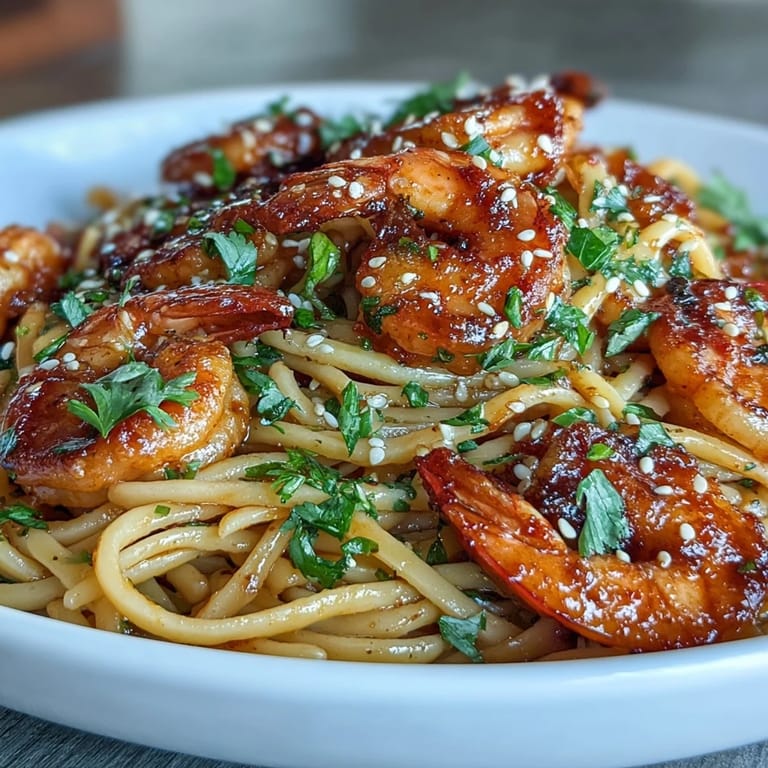
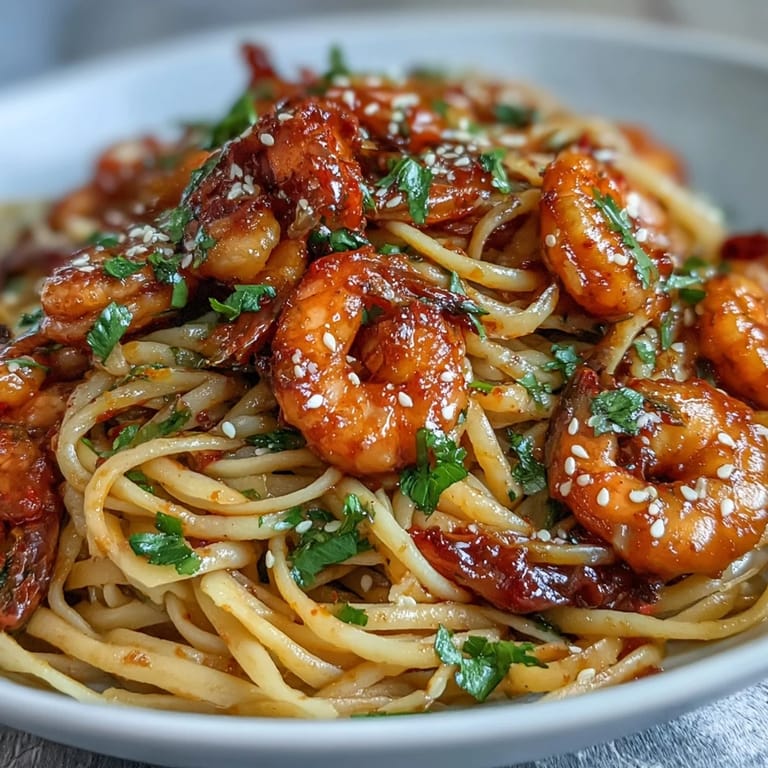
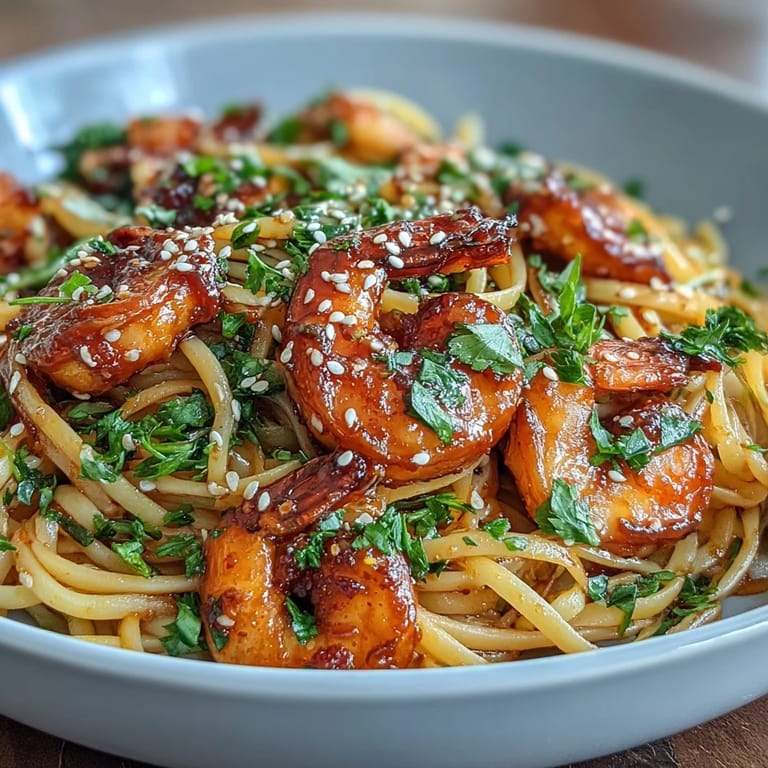
Save The first time I attempted this Garlic Butter Shrimp Buldak Pasta, my kitchen filled with the bright sting of garlic, mingling with the deep, peppery aroma of gochugaru. I hadn&apost really planned on making a fusion dish—the fiery Korean sauce caught my eye in the fridge, and before I knew it, I was watching butter foam in a pan and imagining how rich shrimp would taste tangled in spicy noodles. There is something thrilling about the sizzle of shrimp in hot garlic butter, especially when you know a bold, chili-laced sauce is waiting in the wings. The moment those glossy noodles met the bubbling pan, even my neighbors commented on the aroma drifting through the hallway. Sometimes, a little kitchen spontaneity can turn a weeknight dinner into a small adventure.
I think back to the night a friend popped in unexpectedly, seeing a pile of pasta draining and shrimp ready to be tossed with sauce. We spent the next twenty minutes talking over the hiss of the skillet, passing tongs back and forth, and laughing as the steam fogged up my glasses. By the time we plated up, we were a little giddy from how much heat we'd dialed into the sauce. That meal fueled a long overdue catch-up, both of us swiping extra sauce from the pan with hunks of bread. Dishes like this seem to draw out the best kind of messy, memorable evenings.
Ingredients
- Shrimp: Go for large, peeled shrimp—you'll get juicy bites, and peeling in advance means you can cook them quickly without overdoing it.
- Pasta (spaghetti or linguine): I've found that linguine holds the spicy-silky sauce especially well, but spaghetti works great too; always save some pasta water in case you want your noodles juicier.
- Unsalted butter: Butter gives the shrimp and garlic their luscious richness, plus you have better control over salt when you use unsalted.
- Garlic: Five cloves may seem a lot, but when the aroma fills the kitchen you'll be glad you didn't skimp.
- Olive oil: Just a tablespoon keeps the butter from burning so your garlic can perfume the dish instead of crisping up too fast.
- Gochugaru: These Korean red chili flakes build both color and heat—adjust according to your adventurousness.
- Gochujang: The magic ingredient lending depth, sweetness, and a controlled kick.
- Low-sodium soy sauce: It ties all the flavors together without overpowering the other ingredients, and low-sodium allows you to tweak seasoning later.
- Honey or brown sugar: I alternate between the two—honey brightens, brown sugar adds molasses-y warmth.
- Rice vinegar: Adds a little tang to balance out all the strong flavors.
- Toasted sesame oil: Just a splash right at the end amps up those umami notes.
- Water: Loosens the sauce so it coats every strand of pasta.
- Fresh parsley: Not just a garnish—the herbiness gives relief from the spicy sauce and makes everything pop visually.
- Toasted sesame seeds: They add a nutty crunch you really notice in each bite.
Tired of Takeout? 🥡
Get 10 meals you can make faster than delivery arrives. Seriously.
One email. No spam. Unsubscribe anytime.
Instructions
- Boil the Pasta:
- Fill a big pot with salty water and bring to a rolling boil before dropping in your spaghetti or linguine; cook until it's pleasantly chewy then scoop out a bit of the water before draining.
- Mix the Buldak Sauce:
- In a small bowl, whisk gochugaru, gochujang, soy sauce, honey or brown sugar, rice vinegar, sesame oil, and water until silky and vividly red; it should smell spicy and a little sweet.
- Sauté the Garlic:
- Add olive oil and most of your butter to a large skillet over medium-high heat, then swirl in the garlic, letting it sizzle and perfume the room—but don't let it brown.
- Cook the Shrimp:
- Scatter shrimp in a single layer and let them turn just pink—about a minute or two per side—then transfer them out before they overcook.
- Sizzle the Sauce:
- Pour your buldak sauce into the garlicky pan and watch it bubble for a minute or so, letting the spices bloom.
- Toss the Pasta:
- Add your drained pasta right into the sauce, tossing with tongs so the noodles are glossy—add a splash of reserved pasta water if things look sticky.
- Bring It Together:
- Return the shrimp and the last bit of butter, tossing until everything looks luscious and each piece glistens with sauce; let it all warm through for just a minute.
- Garnish and Serve:
- Heap the pasta into bowls, shower with parsley and sesame seeds, and serve while everything&aposs piping hot and steamy.
 Save
Save There was one evening when, after a long week, I made this pasta just for myself—no phone calls, no distractions, just the sound of noodles swirling through spicy sauce. It was the first meal I'd plated just for me in months and somehow tasted brighter, richer, and more satisfying than ever. Sometimes, a simple, spicy dinner can make an ordinary night feel oddly special.
Getting the Perfect Heat Level
I've accidentally gone overboard with gochugaru once or twice, and the thrill turned into a four-glass-of-water meal—so I recommend starting conservatively and tasting as you go. You can always add more chili at the end, but finding your sweet spot of heat can make this dish sing for every palate. The gentle burn should complement, not overpower, the buttery shrimp and slurp-worthy noodles.
What to Serve Alongside
This pasta practically begs to be mopped up with a thick, crusty bread that soaks up every last bit of spicy sauce. If you're feeling fancy, a crisp salad with lemon dressing cuts through the richness and adds a cool counterpoint. And while a bold white wine (think Riesling) is ideal, sparkling water with a squeeze of lime is just as refreshing.
Swaps, Variations, and Hacks
I've tried this with tofu for vegetarian friends, and even with leftover roast chicken—the base sauce holds its own. Gluten-free pasta works in a pinch, though you may want to use tamari instead of soy sauce for less gluten. Lemon zest is my go-to for brightening the finish, just before tossing on the parsley.
- Add a spoonful of sauce to taste if you're heat-shy.
- Toast your sesame seeds for extra pop.
- Don't forget to taste and adjust for salt at the end.
 Save
Save There&aposs no better feeling than swirling up a forkful of these spicy noodles and shrimp, knowing you pulled together a restaurant-style meal in your own kitchen. May every bite be as bold and satisfying as you hope.