 Save
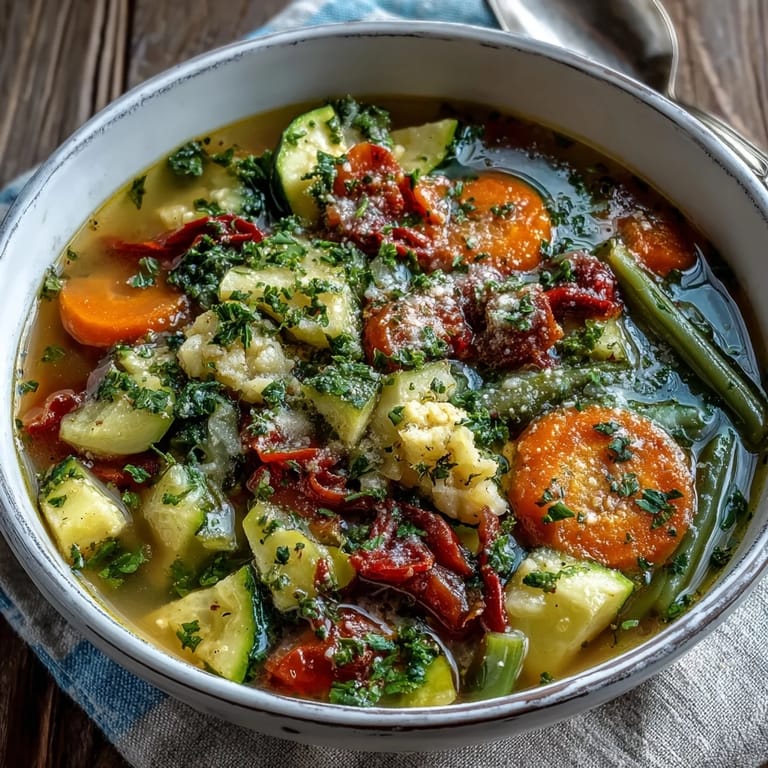
Save My neighbor Maria stopped by one crisp autumn afternoon with a bundle of fresh vegetables from her garden, and within an hour my kitchen smelled like the Italian countryside. She watched me work through the aromatics, that sacred moment when onion and garlic meet hot olive oil, and nodded approvingly before sharing how her nonna made nearly the same soup every season but with whatever vegetables were at hand. That flexibility, that generosity of spirit in a single pot, is what drew me in completely.
I made this for my book club one winter evening, and something magical happened when everyone started talking mid-spoonful. The soup quietly did what good food does—it brought people into the present moment instead of letting them scroll through their phones between bites. Someone asked for the recipe that night, then three more people asked before they left.
Ingredients
- Olive oil: Use a quality extra virgin that you actually enjoy tasting, not the cheapest bottle on the shelf, because you'll notice the difference.
- Onion and garlic: These are your flavor foundation, and the 2-3 minute sauté matters more than you might think for building depth.
- Carrots, celery, and bell pepper: The holy trinity of vegetable soups, and their natural sweetness balances the herbs beautifully.
- Zucchini and green beans: These add freshness and keep the soup from feeling heavy, which is why it works as a light meal.
- Diced tomatoes: Don't skip the juice—it carries flavor and adds a subtle acidity that brightens everything.
- Vegetable broth: A good broth makes an enormous difference; if you have homemade, this is the time to use it.
- Potato: It thickens the soup naturally and adds substance without making it feel like a heavy cream soup.
- Spinach: Added at the end so it stays vibrant and tender rather than turning into an unrecognizable mush.
- Oregano, basil, thyme, and rosemary: Dried herbs work wonderfully here because they meld together into something cohesive rather than tasting like a spice cabinet.
- Bay leaf: Imparts a subtle woodsy note that you can't quite identify but would definitely miss if it weren't there.
- Salt and pepper: Taste as you go near the end because broth saltiness varies wildly between brands.
- Cannellini beans (optional): They add protein and creaminess, making this a complete meal on its own.
- Fresh parsley and Parmesan (optional): Parsley brings a fresh brightness, while Parmesan adds savory depth if you're not keeping it vegan.
Tired of Takeout? 🥡
Get 10 meals you can make faster than delivery arrives. Seriously.
One email. No spam. Unsubscribe anytime.
Instructions
- Warm the oil and soften your aromatics:
- Heat olive oil over medium, then add diced onion and minced garlic, stirring often until everything turns translucent and fragrant. This takes only 2-3 minutes, and you'll know it's ready when your kitchen smells irresistible.
- Build the vegetable base:
- Add carrots, celery, zucchini, red pepper, and green beans, stirring occasionally as they soften and begin releasing their own juices. Watch for about 5-6 minutes, and you'll notice the vegetables starting to surrender their firmness.
- Pour in the liquid and seasonings:
- Add the canned tomatoes with their juice, the vegetable broth, diced potato, and all your dried herbs along with the bay leaf and salt and pepper. Stir everything together so the herbs distribute evenly and the potato pieces nestle throughout.
- Let it simmer and meld:
- Bring everything to a boil, then immediately turn the heat down to a gentle simmer uncovered for 20-25 minutes. You're looking for the vegetables to be tender but not falling apart, and the broth to taste rich and cohesive.
- Add beans if you're using them:
- Drain and rinse your cannellini beans and stir them in, simmering for another 5 minutes just to warm them through. This step is optional, but they add a wonderful creaminess that makes the soup feel more substantial.
- Finish with the spinach:
- Remove the bay leaf, then stir in your fresh spinach and let it wilt down for 1-2 minutes. The residual heat will soften it perfectly without turning it into a sad, overcooked pile.
- Taste and adjust:
- This is your moment to add more salt, pepper, or even a pinch more of an herb if something feels missing. Trust your palate here—everyone's broth is slightly different, so yours might need different seasoning than someone else's.
- Serve with joy:
- Ladle into bowls and top with fresh parsley and Parmesan if you're using them. A drizzle of good olive oil on top of each bowl is a subtle luxury that feels surprisingly indulgent.
 Save
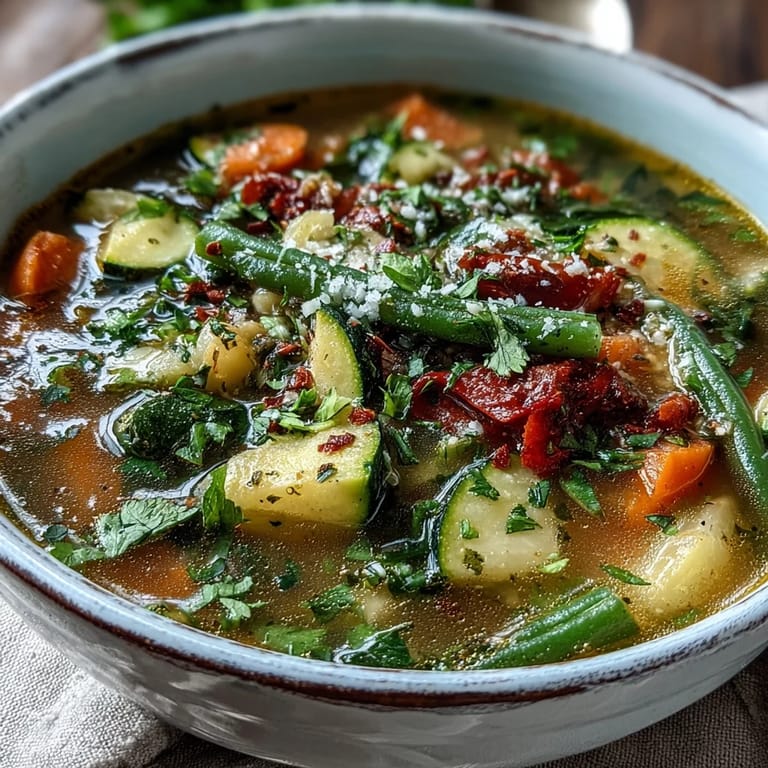
Save The moment that made me love this soup happened when my daughter came home from school complaining about feeling under the weather, and after a bowl of this warm in her hands, she suddenly felt like herself again. Food does that sometimes—it's not just nourishment, it's comfort and care in a bowl.
Why This Soup Works in Any Season
Summer arrives and you use the freshest zucchini and peppers from the farmers market, making it taste bright and vegetable-forward. Winter comes around and the heartier vegetables like carrots and potatoes shine, the long simmer pulling out their subtle sweetness. Spring brings tender young spinach and fresh herbs if you want to swap some dried for fresh, while fall feels like the natural home for this soup with root vegetables and the earthiness of rosemary. The beauty is that it never feels out of place no matter when you make it.
The Flexibility That Makes This Recipe Dangerous
By dangerous I mean you might make it so often that your family expects it whenever they're hungry or under the weather. Add small pasta like ditalini or orzo during the last 10 minutes if you want something more substantial. Stir in cannellini beans or chickpeas for extra protein, or add a handful of lentils at the beginning so they cook down and thicken the broth naturally. Some people swirl in a dollop of pesto at the end, others add a splash of balsamic vinegar for complexity. Once you make it a few times, you understand the structure well enough to improvise confidently.
Storage and Make-Ahead Wisdom
This soup actually improves after a day or two in the refrigerator because the flavors have more time to mingle and deepen. It freezes beautifully for up to three months if you let it cool completely first, which makes it perfect for lazy future dinners when you need comfort but don't have the energy to cook. When you reheat it, go low and slow so the vegetables don't turn mushy, and you might need to add a splash more broth since things thicken as it sits. If you've added pasta, store it separately because pasta absorbs liquid and gets soggy overnight, so cook fresh pasta when you're ready to serve reheated soup.
- Cool the soup completely before freezing to avoid condensation and ice crystals that compromise texture.
- Freeze in portions so you can thaw just what you need rather than the entire batch.
- Add fresh herbs or a drizzle of good olive oil when serving to brighten a reheated bowl.
 Save
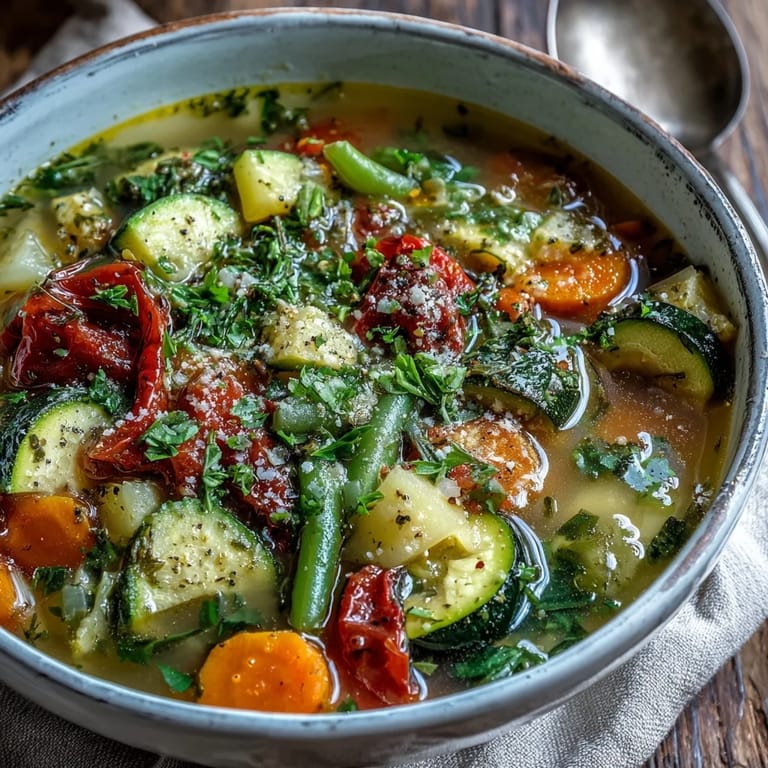
Save This soup taught me that the best recipes are the ones that work hard, hold nothing back, and somehow manage to feel like a warm hand on your shoulder. Make it this week.
Recipe FAQ
- → Can I use fresh herbs instead of dried?
Yes, substitute with triple the amount of fresh herbs. Add heartier herbs like rosemary and thyme early, but stir in delicate basil and oregano near the end of cooking to preserve their bright flavor.
- → How long can I store this soup?
Store in an airtight container in the refrigerator for up to 5 days. The soup also freezes beautifully for up to 3 months. Cool completely before freezing and reheat gently on the stovetop.
- → What vegetables can I substitute?
Feel free to swap in seasonal vegetables like kale instead of spinach, yellow squash for zucchini, or add fennel for extra Italian flair. Just maintain similar cooking times for best texture.
- → Can I make this soup in a slow cooker?
Absolutely. Sauté the aromatics first, then transfer everything except spinach to the slow cooker. Cook on low for 6-7 hours or high for 3-4 hours. Add spinach in the last 10 minutes.
- → How can I make this soup more filling?
Add cannellini beans, chickpeas, or small pasta like ditalini or orzo. You can also serve with crusty Italian bread or top with a drizzle of quality olive oil for extra richness.
- → What type of vegetable broth works best?
Use a quality low-sodium vegetable broth so you can control the seasoning. Homemade broth adds wonderful depth, but store-bought works perfectly well for this forgiving, flavorful soup.