 Save
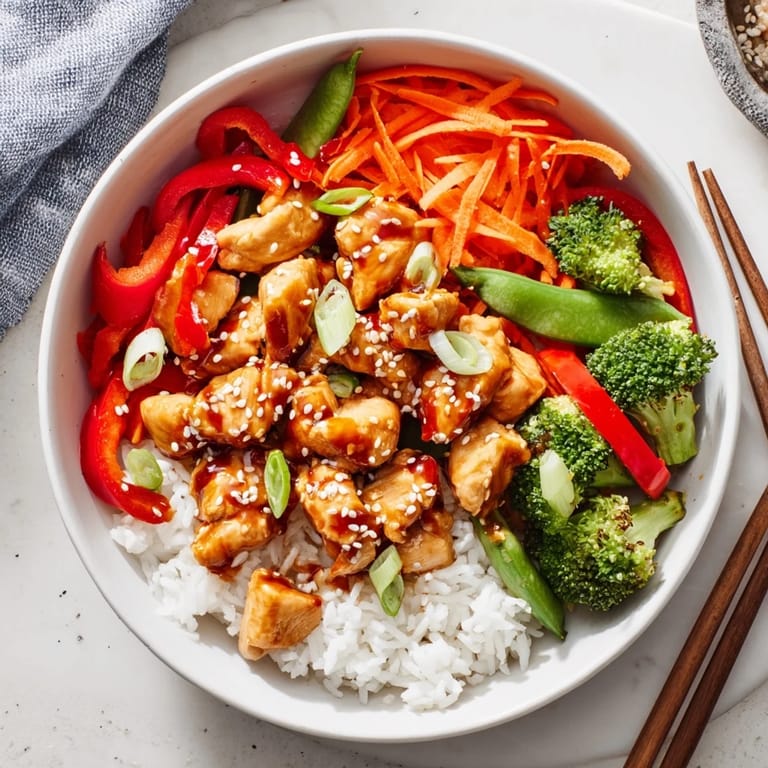
Save The first time I made teriyaki chicken at home, I was shocked at how different it tasted from the overly sticky, cloying version I'd gotten used to from takeout places. My friend Hiroko had given me a crash course in balancing sweet and savory flavors, explaining that authentic teriyaki should have a glossy sheen but never coat your tongue in sugar. That week, I made this bowl three times, tweaking the sauce ratios until the honey and soy sauce found their perfect equilibrium. Now it's become my go-to for weeknight dinners when I want something that feels special but comes together in under forty minutes.
Last Tuesday, my roommate walked in while I was stir-frying the vegetables and immediately asked what smelled so incredible. The garlic and ginger hitting the hot oil created this aromatic cloud that filled our entire apartment. We ended up eating together at the kitchen counter, both of us too impatient to bother with the dining table, taking turns guessing what secret ingredient I'd added to the sauce. That's the thing about this recipe, it makes a weeknight dinner feel like an occasion worth pausing for.
Ingredients
- 500 g boneless chicken thighs or breasts: Thighs stay juicier during the high-heat stir-fry, but breasts work if you prefer leaner meat. Cutting them into uniform bite-sized pieces helps everything cook evenly and makes each bowl easy to eat.
- 80 ml soy sauce: This is your salt source, so use a good quality brand you enjoy tasting on its own. Low-sodium versions work if you're watching your sodium intake.
- 60 ml mirin: Japanese sweet rice wine adds depth that you cannot replicate with just sugar. If you cannot find it, increase the honey slightly and add a splash of water.
- 2 tbsp honey or brown sugar: Honey creates a glossier finish while brown sugar gives a deeper molasses flavor. Both work beautifully here.
- 1 tbsp rice vinegar: A splash of acid cuts through the sweetness and brightens the whole sauce. White wine vinegar makes an acceptable substitute.
- 2 cloves garlic: Freshly minced garlic releases more oils than pre-minced jars. Do not be afraid of using both cloves, the sweetness tames the sharpness.
- 1 tsp fresh ginger: Grate this against a microplane for the finest texture. Fresh ginger has a spicy brightness that ground ginger completely lacks.
- 1 tsp cornstarch: This transforms the thin sauce into that glossy restaurant-style glaze. Mix it with cold water before adding to prevent clumping.
- 1 medium carrot: Julienned carrots add crunch and sweetness. A vegetable peeler makes quick work of creating thin, uniform strips.
- 1 red bell pepper: The sweetness contrasts beautifully with the savory sauce. Any color bell pepper works, but red adds the prettiest pop to the bowl.
- 100 g broccoli florets: Cut them into smaller than usual pieces so they cook quickly. You want them tender-crisp, not mushy.
- 100 g sugar snap peas: These stay crunchy even after cooking and add incredible freshness. Snow peas work equally well.
- 600 g cooked rice: Day-old rice actually works best here, as the grains separate better. Freshly cooked rice is fine too, just fluff it well before serving.
- 2 tbsp sesame seeds: Toast them in a dry pan for 2 minutes before serving to bring out their nutty flavor. This tiny step makes a huge difference.
- 2 spring onions: The green parts add a mild onion flavor and pop of color. Slice them thinly so they do not overpower the delicate sauce.
Tired of Takeout? 🥡
Get 10 meals you can make faster than delivery arrives. Seriously.
One email. No spam. Unsubscribe anytime.
Instructions
- Get your rice going first:
- Start cooking your rice according to the package instructions, then keep it warm and covered while you prepare everything else. Having the rice ready makes the final assembly seamless.
- Whisk up the sauce:
- Combine the soy sauce, mirin, honey, rice vinegar, garlic, and ginger in a small saucepan over medium heat. Let it bubble gently for about thirty seconds, then stir in your cornstarch slurry and cook for another minute or two until it thickens into a glossy glaze. Remove it from the heat and set it aside.
- Cook the chicken:
- Heat 1 tablespoon of vegetable oil in a large skillet or wok over medium-high heat until it shimmers. Season your chicken pieces with salt and pepper, then add them to the pan in a single layer. Let them sear undisturbed for about 2 minutes before flipping, cooking for 5-6 minutes total until golden and cooked through. Transfer the chicken to a plate and set aside.
- Stir-fry the vegetables:
- Add the remaining tablespoon of oil to the same skillet. Toss in the carrots, bell pepper, broccoli, and sugar snap peas. Stir-fry for 3-4 minutes until the vegetables are just tender but still have a satisfying crunch. You want them vibrant, not wilted.
- Bring it all together:
- Return the cooked chicken to the skillet. Pour that gorgeous teriyaki sauce over everything and toss gently to coat. Let it heat through for 1-2 minutes, ensuring every piece gets glossy and the sauce bubbles slightly against the vegetables.
- Assemble your bowls:
- Divide the warm rice among four bowls. Top with the teriyaki chicken and vegetables, making sure to drizzle any remaining sauce from the pan over the top. Sprinkle with sesame seeds and those fresh green onions and serve immediately while everything is still hot and steaming.
 Save
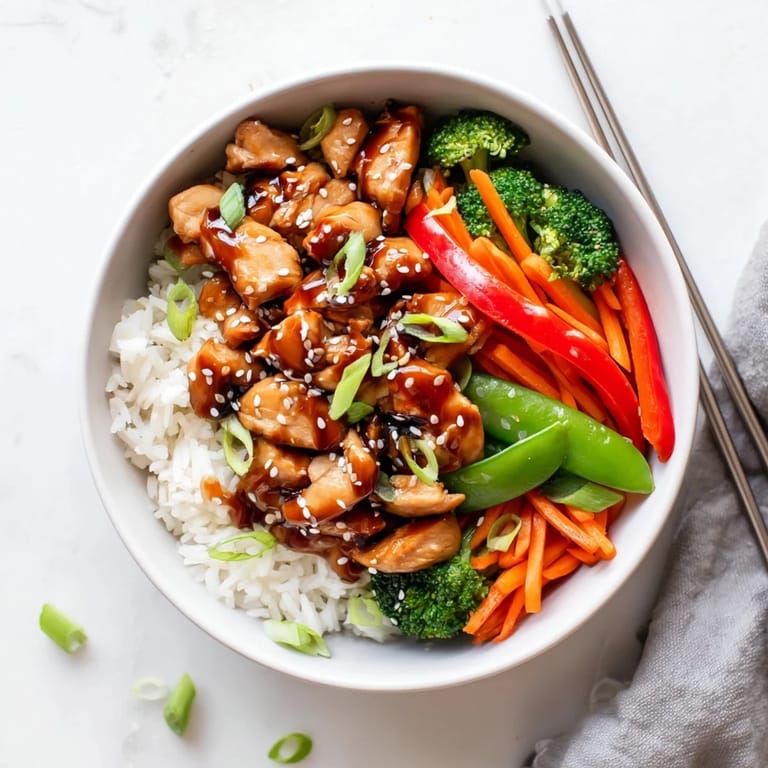
Save My sister called me last week from her kitchen, frustrated that her homemade teriyaki never turned out like restaurant versions. After walking her through the cornstarch slurry technique and the importance of not overcooking the vegetables, she texted me a photo of her perfect bowls that night. There is something incredibly satisfying about mastering a sauce you used to think only professionals could make right.
Making It Vegetarian
Firm tofu works beautifully as a chicken substitute, just press it for 15 minutes first to remove excess water. Cut it into slightly larger cubes than you would chicken, then sear them in the hot oil until golden and crispy on all edges before adding the sauce. The tofu absorbs that teriyaki glaze like a sponge.
Vegetable Swaps
Do not feel limited to the vegetables listed here. Zucchini slices, shiitake mushrooms, baby corn, or even shredded cabbage all work wonderfully. The key is cutting everything into similar sizes so they cook at the same rate, maintaining that perfect tender-crisp texture that makes each bite interesting.
Perfecting The Sauce Balance
Taste your sauce before thickening it with the cornstarch. This is your moment to adjust the sweetness or saltiness. Some soy sauces are saltier than others, and some honeys more potent. Once you have the flavor profile right, then add the slurry. If you accidentally make it too thick, thin it with a teaspoon of water and warm it through.
- Double the sauce recipe and store the extra in an airtight container in the refrigerator for up to two weeks
- Add a pinch of red pepper flakes if you want to introduce some gentle heat to balance the sweet
- The sauce reheats beautifully, so go ahead and make extra for quick weeknight meals
 Save
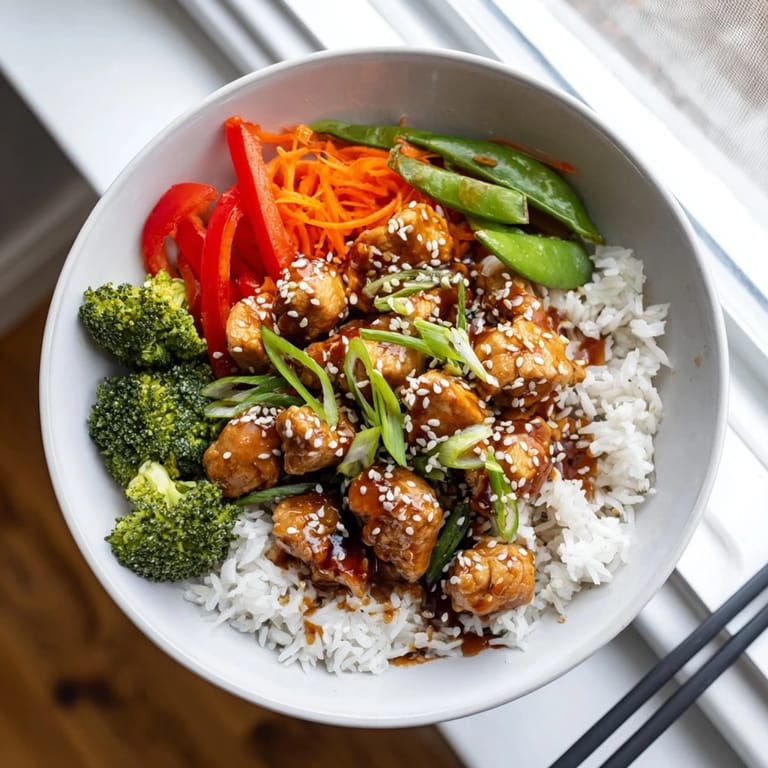
Save I hope this recipe becomes one of those reliable favorites you turn to when you need something nourishing but do not want to spend hours in the kitchen. There is a quiet joy in a bowl that tastes like it came from a restaurant but was made entirely by your own hands.
Recipe FAQ
- → Can I make the teriyaki sauce ahead of time?
Yes, the teriyaki sauce can be prepared up to one week in advance and stored in an airtight container in the refrigerator. Reheat gently on the stovetetop and add a splash of water if it has thickened too much.
- → What other proteins work well with this dish?
Firm tofu cubes work excellently for a vegetarian option. You can also use sliced beef, pork tenderloin, or shrimp—just adjust cooking times accordingly as seafood cooks faster than meat.
- → How do I get the sauce to thicken properly?
Ensure your cornstarch slurry is well-mixed before adding it to the simmering sauce. Whisk continuously while adding the slurry and continue cooking for 1-2 minutes until the sauce coats the back of a spoon.
- → Can I use frozen vegetables instead of fresh?
Absolutely. Frozen stir-fry vegetable blends work well in this dish. Thaw them slightly and pat dry before cooking to prevent excess moisture from diluting the sauce. Cook time may be slightly reduced.
- → Is there a gluten-free option for the teriyaki sauce?
Use tamari or coconut aminos instead of soy sauce, and ensure your mirin is certified gluten-free. The rest of the ingredients are naturally gluten-free, making this easy to adapt.
- → What rice varieties work best?
Short-grain white rice is traditional and creates a fluffy base, but brown rice adds nutty flavor and extra fiber. Jasmine rice also works beautifully and complements the Asian flavors.