 Save
Save My neighbor Maria showed up one Sunday morning with a warm baking dish wrapped in a faded kitchen towel, insisting I try what she called "the only lasagna recipe worth making." The scent of garlic and tomato hit me before I even lifted the foil. I took one bite standing at the counter and understood why her family had been making it this way for decades. That afternoon, I stood in her kitchen with a notepad, watching her layer noodles and cheese with the ease of someone who'd done it a thousand times.
I made this for my daughter's birthday dinner last spring, doubling the recipe and filling two pans because I knew her friends would demolish it. Watching a table of teenagers go completely silent except for the occasional "this is insane" between bites felt like the highest compliment. One of them asked if I'd cater her graduation party, and I'm still not sure if she was joking.
Ingredients
- Lasagna noodles (uncooked): Using them straight from the box means one less pot to wash, and they absorb the sauce beautifully as they bake, becoming perfectly tender without any pre-boiling fuss.
- Ricotta cheese: This creates the creamy, luscious layer that balances the rich meat sauce. mixing it with an egg helps it set during baking so it doesn't slide around when you slice.
- Mozzarella cheese: The shredded kind melts into those gorgeous, bubbly golden spots on top. I always keep a little extra on hand because I tend to sneak tastes while assembling.
- Parmesan cheese: Freshly grated adds a sharp, nutty finish that cuts through the richness. The pre-grated stuff works in a pinch, but the real thing makes a noticeable difference.
- Ground beef: Lean beef keeps the sauce from getting too greasy. I learned this after my first attempt left a puddle of orange oil floating on top.
- Italian sausage: This is where the depth of flavor really comes from. sweet sausage keeps it mellow, spicy adds a nice kick. either way, remove the casing and crumble it as it cooks.
- Marinara sauce: A good jarred sauce saves time without sacrificing flavor. I've used homemade when I have it, but honestly, a quality store brand works beautifully here.
- Garlic: Sauteing it first in olive oil creates an aromatic base that perfumes the entire sauce. Don't skip this step or let it burn, burnt garlic tastes bitter and sad.
- Fresh basil: Stirred into the sauce at the end, it adds a bright, herbal note that makes the whole dish taste more alive and less like it came from a jar.
- Olive oil: Just enough to keep the garlic from sticking and to help the meat brown evenly without steaming in its own juice.
Tired of Takeout? 🥡
Get 10 meals you can make faster than delivery arrives. Seriously.
One email. No spam. Unsubscribe anytime.
Instructions
- Get the oven ready:
- Preheat to 375 degrees so it's fully heated by the time you finish assembling. This ensures even baking from the moment the dish goes in.
- Start the sauce base:
- Warm the olive oil in a large skillet over medium heat, then add the minced garlic and let it sizzle until fragrant, about a minute. The kitchen will start to smell like an Italian grandmother's house.
- Brown the meat:
- Add the ground beef and sausage, breaking it up with a wooden spoon as it cooks until no pink remains, about 8 to 10 minutes. Drain off the excess fat so your sauce doesn't end up greasy.
- Build the sauce:
- Stir in the marinara, salt, pepper, and chopped basil, then let it simmer gently for 10 minutes. This gives everything time to become friends and develop a deeper, richer flavor.
- Prep the ricotta mixture:
- In a bowl, whisk together the ricotta and egg until smooth and creamy. This binds the cheese so it holds its shape between the noodle layers.
- Start layering:
- Spread a thin layer of meat sauce across the bottom of your 9x13 inch baking dish to prevent sticking. Lay down 4 uncooked noodles, overlapping them slightly to cover the sauce.
- Add the first ricotta layer:
- Spread half of the ricotta mixture over the noodles, then sprinkle a third of the mozzarella on top and ladle more meat sauce over everything. Use the back of a spoon to spread it gently and evenly.
- Repeat the layers:
- Add another layer of noodles, the remaining ricotta, another third of mozzarella, and more sauce. You're building a delicious, cheesy architecture here.
- Finish the top:
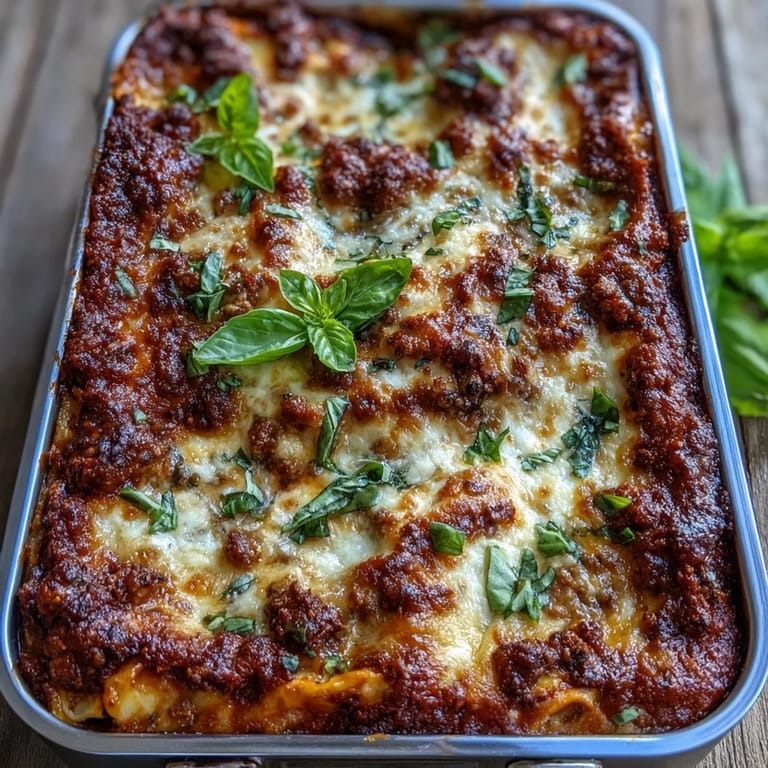
- Place the final 4 noodles on top, cover with the remaining meat sauce, then shower it with the rest of the mozzarella and all the Parmesan. This top layer will get gloriously golden and bubbly.
- Bake covered:
- Cover the dish tightly with foil and bake for 25 minutes. The foil traps steam, which cooks the noodles and keeps the top from browning too fast.
- Finish uncovered:
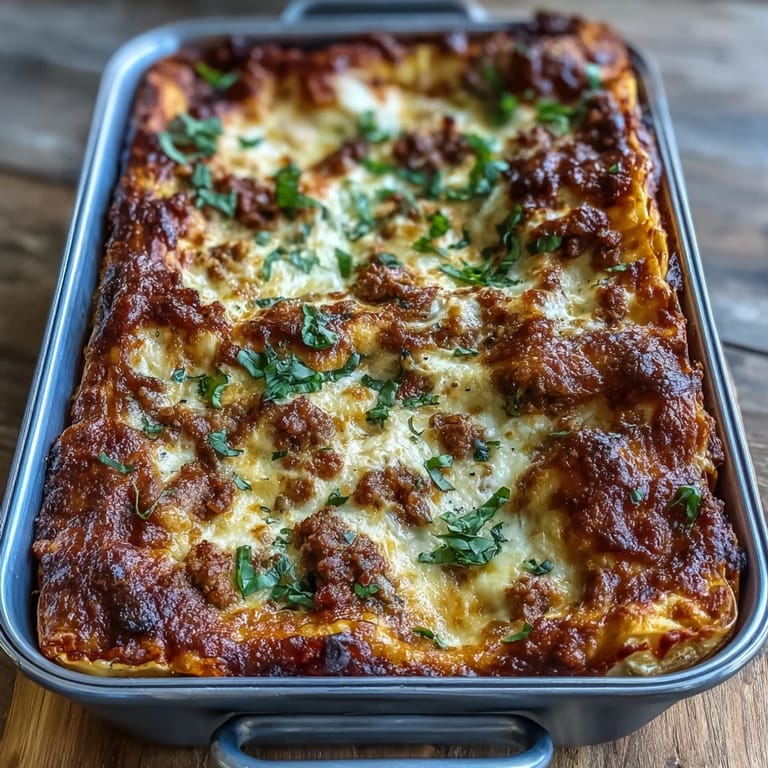
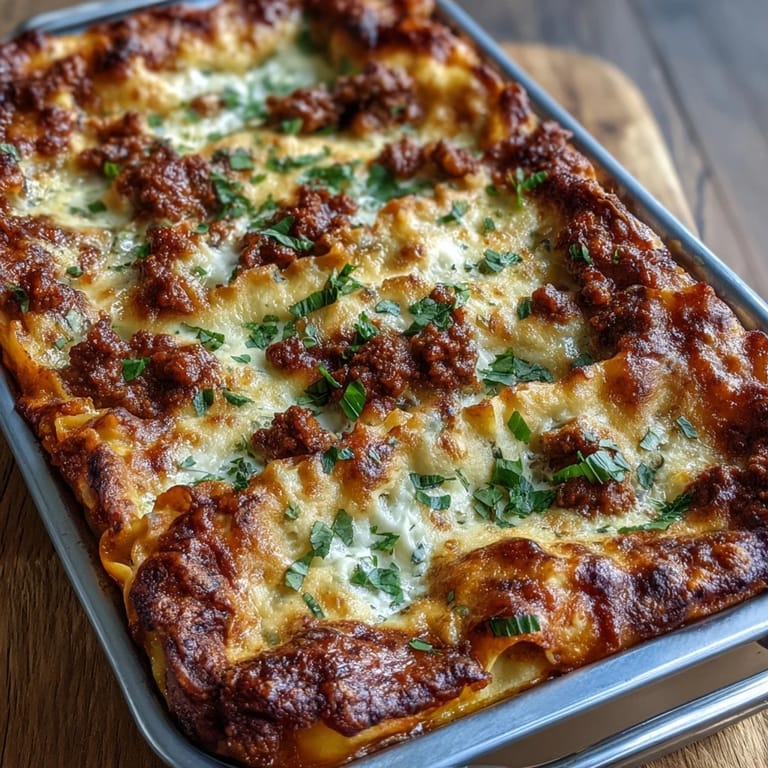
- Remove the foil and bake another 15 minutes until the cheese is golden, bubbling, and irresistible. The edges should be just slightly crispy.
- Let it rest:
- This is the hardest part. let the lasagna sit for at least 15 minutes before slicing so the layers can set and you get clean, beautiful pieces instead of a saucy landslide.
 Save
Save There's a moment when you pull this out of the oven and everyone in the house gravitates toward the kitchen without being called. It happened at Thanksgiving two years ago when I made this instead of turkey, and nobody complained. We sat around the table longer than usual that night, scraping our plates and telling stories until the candles burned low.
Making It Your Own
I've tucked sauteed spinach and mushrooms between the ricotta layers when I want to sneak in vegetables, and it works beautifully without changing the spirit of the dish. My friend swears by adding a layer of thinly sliced zucchini in the summer when her garden goes wild. You can swap the beef for ground turkey or even go meatless with a hearty vegetable ragu. The structure stays the same, but the flavor becomes entirely yours.
Storing and Reheating
Lasagna is one of those rare dishes that improves in the fridge overnight as the flavors settle into each other. I cut leftovers into individual portions, wrap them in foil, and freeze them for nights when cooking feels impossible. Reheat covered at 350 degrees for about 25 minutes from frozen, or just a few minutes in the microwave if you're in a hurry. It's like having a homemade meal waiting in the wings.
Pairing and Serving
A simple green salad with a sharp vinaigrette cuts through the richness perfectly, and crusty bread for mopping up extra sauce never goes unappreciated. I usually open a bottle of Chianti or any robust red wine that can stand up to the garlic and tomato. If you're serving a crowd, this pairs well with roasted vegetables or a platter of antipasti set out while the lasagna rests.
- Let guests serve themselves from the baking dish at the table for a more relaxed, family style feel.
- Garnish individual plates with a few fresh basil leaves for a pop of color and fragrance.
- Have extra Parmesan and red pepper flakes on the table for those who like to customize their plate.
 Save
Save This lasagna has become the dish I bring when words aren't enough, when someone needs comfort or celebration or just a really good meal. It never fails to make people feel cared for, and that's worth every minute spent layering.
Recipe FAQ
- → Can I make this ahead of time?
Yes, assemble the dish up to 24 hours before baking and refrigerate. Add 10-15 minutes to the covered baking time if baking cold from the refrigerator.
- → Do I need to cook the noodles first?
No, the uncooked noodles cook perfectly in the oven as they absorb moisture from the sauce during baking, making preparation much simpler.
- → How long should I let it rest before serving?
Let it rest for at least 15 minutes after removing from the oven. This allows the layers to set and makes cutting clean portions much easier.
- → Can I freeze leftovers?
Yes, leftovers freeze well for up to 2 months. Wrap individual portions tightly or freeze the entire dish in a freezer-safe container.
- → What can I substitute for Italian sausage?
You can use all ground beef, ground turkey, or a plant-based meat alternative. Adjust seasonings to maintain the robust flavor profile.