 Save
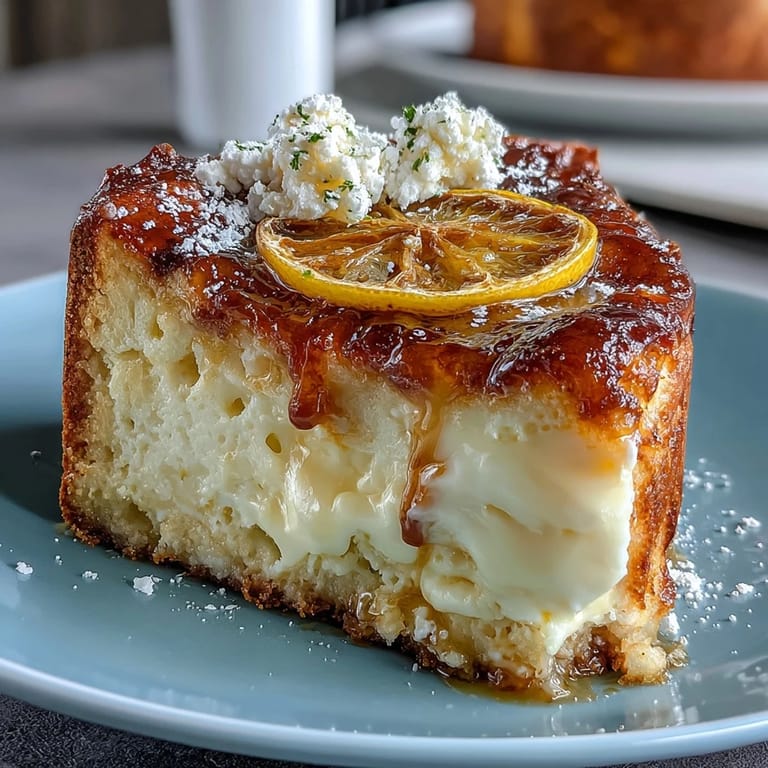
Save There's a particular magic to a lemon tart that catches people off guard—the way that first bite cracks through the buttery shell and hits you with bright, unapologetic citrus. I discovered this recipe on an unexpectedly warm March afternoon when my neighbor brought one over, and I spent the next hour pestering her for details between bites. What struck me wasn't just how elegant it looked, but how the filling quivered ever so slightly when she set it down, like it had been caught mid-laugh. I've been chasing that exact texture and flavor balance ever since, and this version delivers it every single time.
I made this for my book club last spring, and someone actually gasped when I pulled it from the refrigerator. The powdered sugar had caught the light just right, and for a moment everyone just stared before diving in. That afternoon taught me something: a tart like this does more than feed people—it gives them permission to slow down and actually taste their dessert.
Ingredients
- All-purpose flour (1 1/4 cups): This is your foundation, and it needs to be cold and dry before you even think about touching it with the butter.
- Unsalted butter, cold and cubed (1/2 cup): Cold butter is non-negotiable—it's what creates those tiny pockets that make the crust shatter rather than crumble.
- Powdered sugar (1/4 cup): This dissolves into the dough and keeps it tender, but don't use regular granulated sugar or you'll end up with a gritty mess.
- Fine sea salt (1/4 tsp): Just a whisper of it, enough to make people wonder why your crust tastes so alive.
- Egg yolk (1 large): This binds everything together and gives the baked crust a subtle richness.
- Ice water (2–3 tbsp): Temperature matters here—warm water will melt the butter and ruin your texture before you even get started.
- Eggs and egg yolks (3 large eggs plus 2 large yolks): They emulsify with the butter and create that silky, set-but-jiggly filling everyone loves.
- Granulated sugar (1 cup): This sweetens the filling without crystallizing, but resist the urge to add more unless you want cloying lemon pudding.
- Freshly squeezed lemon juice (2/3 cup): Bottled juice tastes like pennies in comparison—squeeze it yourself and notice the difference immediately.
- Finely grated lemon zest (2 tsp): This is where the whisper of lemon comes from, so don't skip it even though it seems small.
- Unsalted butter, melted and cooled (1/2 cup): Let this cool to room temperature or it'll scramble your eggs—learn from my slightly grainy first attempt.
Tired of Takeout? 🥡
Get 10 meals you can make faster than delivery arrives. Seriously.
One email. No spam. Unsubscribe anytime.
Instructions
- Build your mise en place:
- Get everything measured and prepped before you turn on the oven, because once you start combining things, momentum is everything. I like to set my tart pan on the counter as a visual reminder of what I'm working toward.
- Make the crust:
- Pulse your flour, powdered sugar, and salt together, then add those cold butter cubes and pulse until the mixture looks like coarse breadcrumbs—this takes about 30 seconds of restraint. Add the egg yolk and a couple tablespoons of ice water, pulsing gently until the dough just barely holds together; if it still looks crumbly, add another half tablespoon of water and pulse once more.
- Rest the dough:
- Form it into a disk, wrap it, and chill for at least 30 minutes—this lets the gluten relax and the butter refirm, which means your crust will be tender instead of tough. I usually do this step while my oven preheats and I mentally prepare myself for rolling.
- Roll and line the pan:
- Dust your surface with flour and roll the dough out to about 1/8-inch thickness, then press it gently into the tart pan, letting it come up the sides naturally. Trim the excess with a knife and prick the base all over with a fork—those little holes prevent puffing and keep your foundation level.
- Pre-bake the crust:
- Line it with parchment and fill with pie weights or dried beans, baking for 15 minutes, then remove the weights and bake another 10 minutes until it's pale gold and set. The crust should look barely cooked because it'll continue cooking when you add the filling.
- Make the filling:
- Whisk together your eggs, egg yolks, sugar, lemon juice, lemon zest, cooled melted butter, and a pinch of salt until completely smooth—no lumps, no streaks. This takes about a minute of steady whisking and the result should be glossy and uniform in color.
- Pour and bake:
- Pour the filling into your warm pre-baked crust and slide it into the oven for 20–25 minutes, watching carefully after the 20-minute mark. The center should look just barely set with a tiny wobble in the very middle—overbaking it even slightly turns it into lemon pudding instead of silky tart.
- Cool with intention:
- Let it sit on the counter for about 15 minutes, then move it to the refrigerator for at least 2 hours—the chill firms everything up and lets the flavors settle into clarity. This patience is what transforms it from good to remarkable.
- Finish and serve:
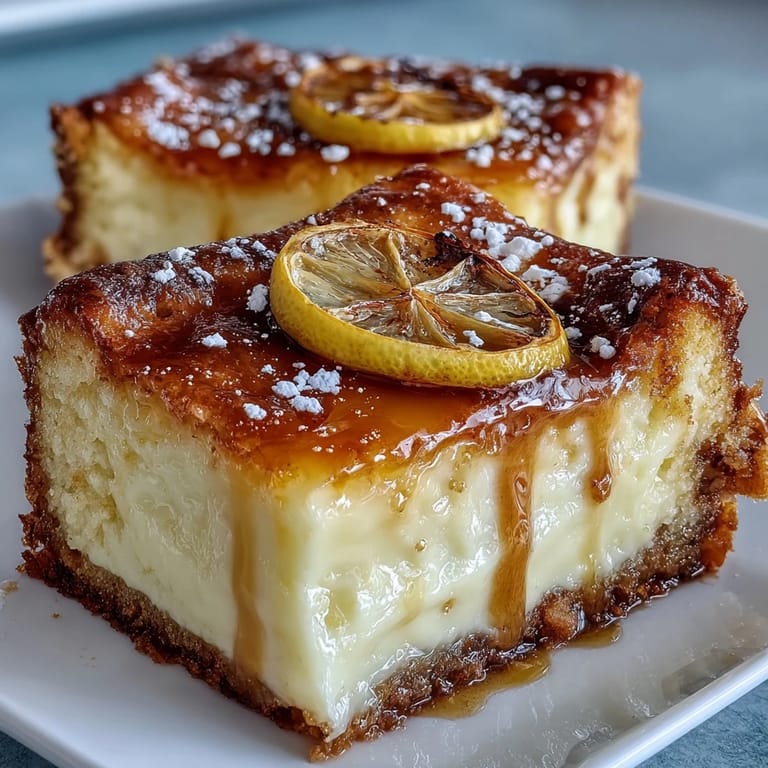
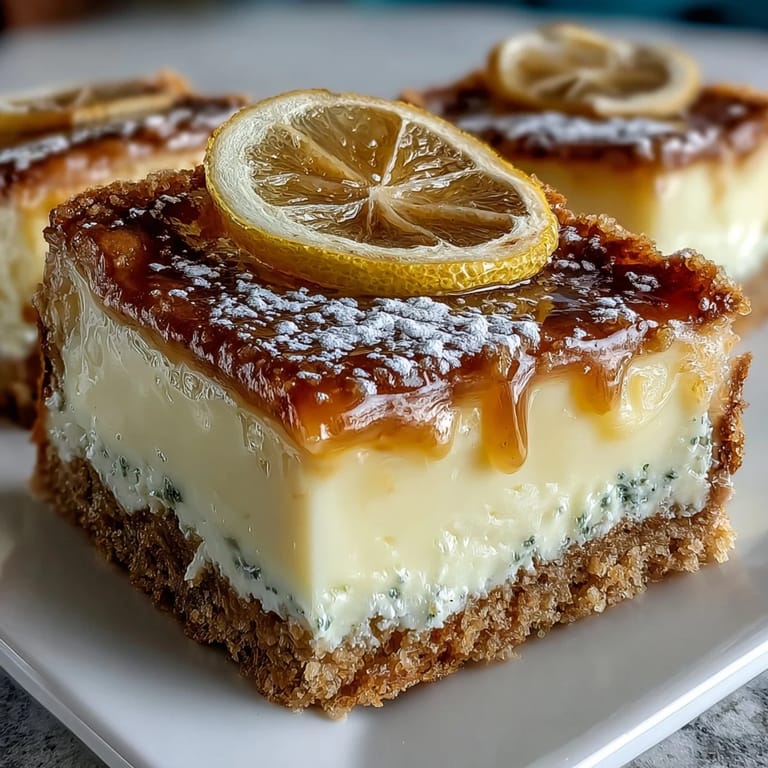
- Dust with powdered sugar just before serving, add lemon slices or fresh berries if you want elegance, and watch people's faces light up. Slice with a hot, damp knife for clean edges.
 Save
Save My sister brought this tart to a lunch last June and set it down with such pride that everyone felt it—like she'd brought more than dessert, she'd brought an offering. Someone asked for the recipe on the spot, and I realized then that a tart like this becomes a conversation starter, a reason to gather, a small edible promise that spring is still possible even in the heat of summer.
The Science Behind the Silky Filling
What makes this filling so impossibly smooth is the emulsification between the egg yolks and the melted butter, which happens because of the sugar and lemon juice acting as stabilizers. I learned this the hard way when I tried whisking everything together cold one afternoon and ended up with a greasy, broken mess that looked like it had been through a food fight. The warmth of the crust and the gentle heat of the oven finish setting everything without scrambling it, which is why that brief baking time is crucial.
Variations That Still Sing
Once you understand how this tart works, you start seeing possibilities everywhere—blood orange instead of straight lemon for deeper color, or a blend of lime and lemon for a more floral note. I've even tried a tiny splash of rose water in the filling, which sounds precarious but actually works if you use a restrained hand. The crust stays exactly the same, which means you're free to play with the filling without wondering if you've broken something fundamental.
Serving and Storage Wisdom
This tart is best served within 24 hours of finishing, though it keeps beautifully in the refrigerator for up to three days if covered loosely with plastic wrap. A spoonful of crème fraîche or whipped cream alongside changes the entire experience, adding a cool counterpoint to the bright lemon and rich butter. Pair it with something cold and effervescent—Sauternes if you're feeling French, or a simple sparkling wine if you want the tart to remain the star.
- Slice with a thin knife dipped in hot water and wiped clean between cuts for edges that look intentional rather than ragged.
- Let any leftovers come to room temperature for 20 minutes before serving so the flavors open back up.
- Store the tart covered loosely so the crust stays crisp instead of absorbing moisture from the air.
 Save
Save This tart has become my go-to when I want to impress without exhausting myself, and it never fails to make people feel seen. There's something about bright lemon and buttery pastry that says you cared, you tried, you made something beautiful.
Recipe FAQ
- → How do I achieve a crisp buttery crust?
Use cold butter and pulse it into the flour until the mixture resembles coarse crumbs. This preserves small butter pockets that create flakiness during baking.
- → What’s the best way to prevent a soggy tart base?
Blind bake the crust with parchment and weights until lightly golden to ensure a firm, dry base before adding the filling.
- → How can I get the filling to set perfectly?
Bake until the custard center is just set but still slightly wobbly; residual heat will finish cooking as it cools.
- → Can I substitute lemon with other citrus?
Yes, blood orange or lime juice can be used to vary the citrus flavor while maintaining bright acidity.
- → What garnishes enhance the tart’s presentation and flavor?
Light dustings of powdered sugar along with thin lemon slices, fresh berries, or mint leaves add color and freshness.