 Save
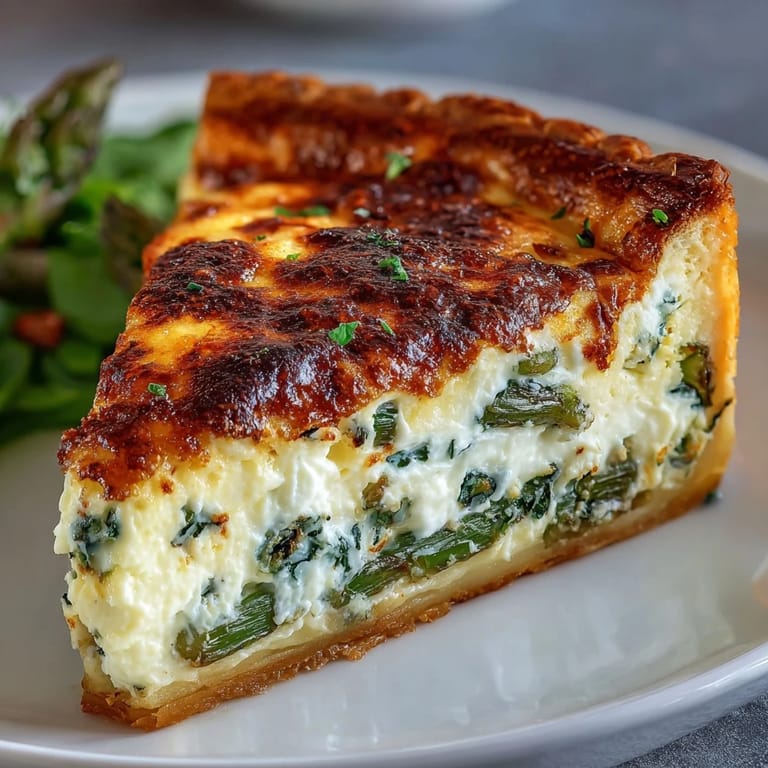
Save My sister called me three days before Mother's Day in a mild panic—she'd volunteered to host brunch but had no idea what to make. I found myself walking her through this quiche over the phone, describing how the Brie melts into silky pockets throughout the eggs, how the asparagus stays tender but not mushy if you blanch it first. By the time we hung up, I realized I needed to make it too, just to have that moment of sliding a golden quiche out of the oven knowing exactly what was coming next.
I made this for my best friend's birthday brunch last spring, and what I remember most isn't the quiche itself but how she sat at the table with her coffee, took a bite, and just closed her eyes for a second. That's when I knew the recipe had crossed from "something I cook" into "something that matters." It's become my go-to when I want to feel like I'm offering someone care on a plate.
Ingredients
- Ready-made 9-inch pie crust: Using store-bought saves real time and honestly tastes just as good once it's baked; if you want to make your own shortcrust pastry, go ahead, but there's no shame in the shortcut.
- Asparagus, trimmed and cut into 1-inch pieces: Fresh asparagus matters here because it brings a subtle earthiness that frozen simply can't match; trim the woody ends by snapping them where they naturally want to break.
- Small shallot, finely diced: This is where you get a whisper of sweetness and sophistication without overwhelming the delicate eggs and cheese.
- 5 large eggs: Room temperature eggs blend more smoothly and create a silkier custard, so pull them out of the fridge about 15 minutes before you start.
- Whole milk and heavy cream: The combination gives you richness without being too heavy; don't skip the cream or the quiche loses its luxurious texture.
- Brie cheese, rind removed: That rind will make your quiche taste bitter and gritty if left on, so spend the 30 seconds to cut it away; the cheese melts beautifully and creates pockets of creaminess.
- Salt, black pepper, and nutmeg: The nutmeg is optional but it's worth using—just a pinch adds a warmth that makes people pause and wonder what they're tasting.
Tired of Takeout? 🥡
Get 10 meals you can make faster than delivery arrives. Seriously.
One email. No spam. Unsubscribe anytime.
Instructions
- Preheat and prepare the crust:
- Heat your oven to 375°F and slip the pie crust into your tart pan, then prick the base gently with a fork to prevent puffing. This simple step keeps the bottom from becoming doughy and dense.
- Blind bake for structure:
- Line the crust with parchment and fill with pie weights or dried beans, then bake for 10 minutes before removing them and baking another 5 minutes until the edges turn light golden. You're essentially pre-cooking the crust so it doesn't get soggy from the custard.
- Blanch the asparagus:
- While the crust bakes, drop your asparagus pieces into boiling salted water for exactly 2 minutes, then drain them well and set aside on paper towels. This quick blanch ensures they stay tender and bright green instead of turning gray or mushy in the oven.
- Whisk the custard base:
- Crack your eggs into a bowl and whisk them with milk, cream, salt, pepper, and that whisper of nutmeg until everything is smooth and pale. Take your time here—proper whisking incorporates air that makes the quiche set with a delicate, almost mousse-like texture.
- Layer and assemble:
- Scatter the diced shallot and about half the asparagus across the warm crust, then carefully pour in the egg mixture so it settles evenly. Arrange the remaining asparagus and Brie cubes on top, distributing them so every slice gets both ingredients.
- Bake until set:
- Slide everything into the oven for 30 to 35 minutes—you're looking for the center to jiggle just barely when you gently shake the pan, not to be completely solid. The carryover cooking as it cools will set the center perfectly, and overbaking turns the custard rubbery.
- Rest and serve:
- Let the quiche sit on the counter for at least 10 minutes before slicing; this gives the custard time to finish setting and makes serving infinitely cleaner. Serve it warm or at room temperature with a simple green salad and maybe a glass of something sparkling.
 Save
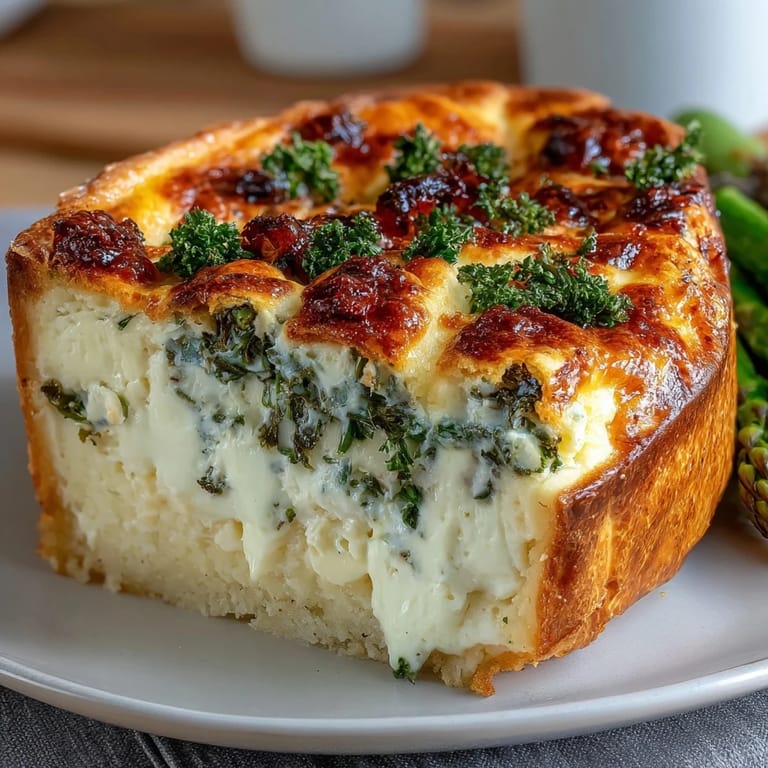
Save There's a moment, about halfway through the baking, when you smell the Brie turning golden and the eggs setting, and something shifts in the kitchen—it stops being just a recipe and becomes an event. That's when I know the quiche is going to be exactly what someone needs.
Timing and Make-Ahead Strategy
Prep the entire filling the night before by whisking together the eggs, milk, cream, and seasonings, then store it covered in the fridge; trim and blanch the asparagus and dice the shallot in the evening too. The morning of, all you do is assemble and bake, which means you're genuinely relaxed when people arrive instead of frantic. I've even blind-baked the crust the night before and warmed it gently in the oven before filling—this removes that last bit of stress from the actual cooking time.
Variations That Feel Natural
This quiche is endlessly flexible, which is part of why I keep making it. In summer I add fresh dill or chives and sometimes swap in asparagus for roasted zucchini; in fall I've used caramelized onions with thyme and a different cheese like Gruyère. The formula stays the same—you're just changing what goes into the custard—so once you understand how it works, you can cook confidently with whatever is in season or calling to you.
Wine and Serving Suggestions
I serve this quiche with a crisp green salad dressed in lemon vinaigrette, which cuts through the richness and feels light and celebratory. For drinks, sparkling wine or a dry Riesling pairs beautifully—the slight sweetness and bubbles complement the Brie without competing with the subtle vegetables. If you're serving this for lunch instead of brunch, a simple tomato salad or roasted vegetables on the side feels equally elegant and makes the meal feel complete.
- Slice the quiche while it's still slightly warm so the Brie stays creamy rather than hardening as it cools completely.
- Leftover quiche reheats gently in a 300°F oven for about 10 minutes and tastes almost as good the next day.
- Double the recipe and freeze one unbaked quiche for up to a month—just add 5 extra minutes to the baking time when cooking from frozen.
 Save
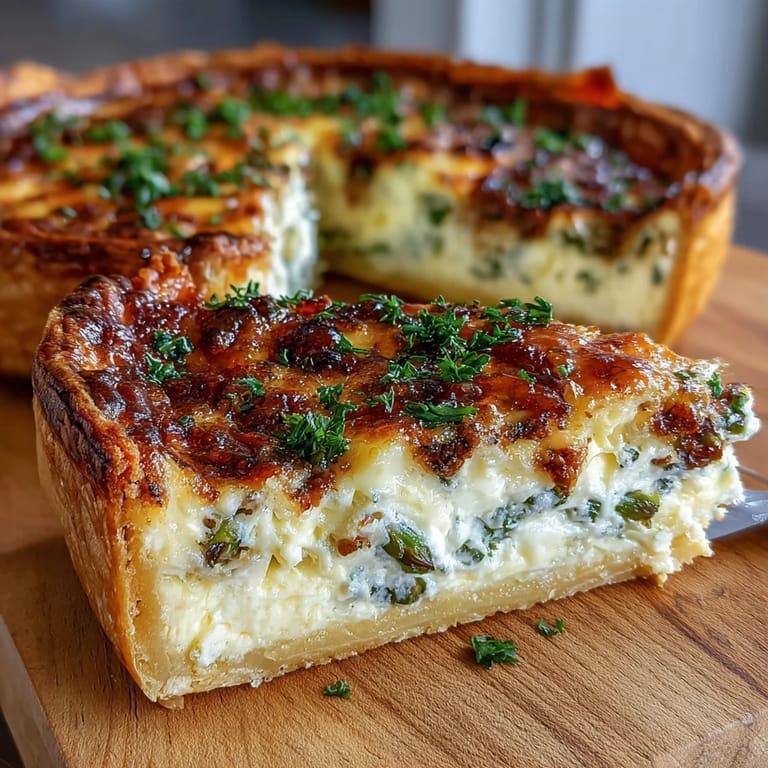
Save This quiche has become my answer to the question "what should I bring" or "what should I make for the people I love." It's elegant enough to feel special but simple enough that you can breathe while making it.
Recipe FAQ
- → Can I use frozen asparagus for this quiche?
Yes, thaw and drain frozen asparagus well before blanching to avoid excess moisture.
- → What is the best way to blind bake the crust?
Line the crust with parchment paper and fill with pie weights or dried beans. Bake until lightly golden to prevent sogginess.
- → How do I know when the quiche is fully cooked?
The center should be just set without wobbling, and the top lightly golden after 30–35 minutes baking.
- → Can I substitute Brie with another cheese?
Soft cheeses like Camembert or mild goat cheese can work well, maintaining a creamy texture.
- → Is there a recommended resting time before serving?
Allow the quiche to rest for about 10 minutes to let flavors meld and make slicing easier.