 Save
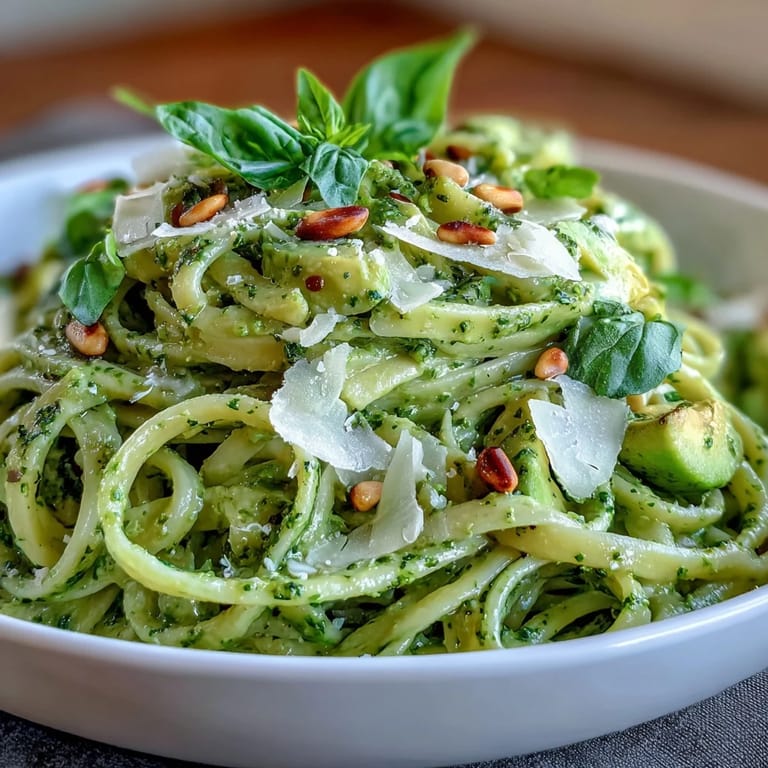
Save The first time I mashed together avocados and basil in my tiny kitchen, it was less about chasing flavor and more because the oven was off-limits thanks to a summer heat wave. My window was propped open, and the scent of basil mingled with city air—bursting with promise before I had even cooked the pasta. There was a carefree rhythm to tossing everything in the blender, the whir blending into background music. That creamy, emerald sauce promised instant brightness. Sometimes, the best dishes happen when you simply refuse to sweat over a stove.
One unexpectedly peaceful evening, I made this pasta while chatting with a friend on speakerphone—my hands making quick work of scooping avocados while she recounted her day. We laughed about the vivid color and how it looked too pretty to eat, but couldn’t resist slurping it up almost straight from the pot. Sharing stories while mixing in the sauce felt like the food and friendship stirred together. That night, the pasta was gone before any leftovers could be claimed. I always remember how effortless and companionable that dinner felt.
Ingredients
- Pasta: Choose spaghetti or linguine—gluten-free works beautifully if needed, and al dente texture helps the creamy sauce cling.
- Avocados: Perfectly ripe avocados deliver that lush, velvety base—press gently to feel slight give for ideal ripeness.
- Fresh basil leaves: This herb is the backbone of pesto; fresh leaves transform the flavor from flat to vibrant.
- Pine nuts (or walnuts): I like pine nuts for their sweet, buttery flavor, but walnuts bring a rustic heartiness; don’t skip toasting them if you’ve got a moment.
- Garlic: Just a couple cloves add depth—grate them for extra punch, or mellow the flavor by soaking chopped garlic briefly in lemon juice.
- Parmesan cheese: Freshly grated is best—its salty, nutty richness ties everything together.
- Lemon juice: The acidity brightens and keeps the avocado vibrant—taste and add more if you want extra zing.
- Extra virgin olive oil: Adds silkiness; a generous swirl makes the sauce luxurious.
- Salt and black pepper: Essential for bringing out all the other flavors—taste as you go.
- Extra Parmesan, basil, and lemon zest (to serve): This trifecta makes every plate look and taste restaurant-worthy with almost no extra effort.
Tired of Takeout? 🥡
Get 10 meals you can make faster than delivery arrives. Seriously.
One email. No spam. Unsubscribe anytime.
Instructions
- Start the pasta:
- Fill a large pot with salted water and bring it to a rolling boil. Add your pasta and cook until just al dente, stirring occasionally so nothing sticks.
- Blend the pesto:
- While the pasta cooks, scoop avocados, toss in basil, nuts, garlic, Parmesan, lemon juice, and olive oil into your food processor or blender. Pulse until everything transforms into a creamy, jade-green sauce—pause to scrape down the sides as needed.
- Reserve some magic liquid:
- Before draining, carefully save about half a cup of pasta cooking water—this starchy gold will help the sauce coat every strand.
- Combine and toss:
- Return the drained pasta to the pot, add the pesto, and drizzle in a splash of pasta water. Toss with tongs until the sauce hugs the noodles, adding more water for extra silkiness.
- Serve and garnish:
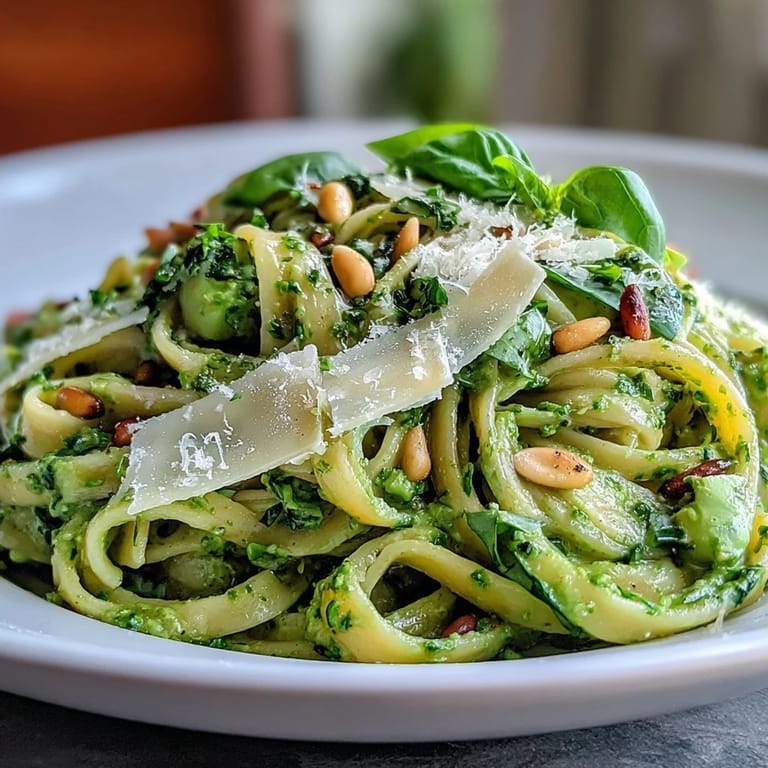
- Plate immediately, topping each serving with extra Parmesan, a few torn basil leaves, and grated lemon zest if you’re feeling elegant.
 Save
Save After I made this for my dad—who’s normally suspicious of anything green—he polished off his plate and asked for seconds without a word. That’s when I realized this pasta can quietly win over even devoted tomato sauce fans. Sometimes, a simple surprise at the dinner table becomes an instant family legend.
What Makes This Pasta Special
Unlike many weeknight pasta recipes, this dish skips heavy cream or hours of simmering—avocado does all the work in a matter of minutes. The balance of basil and citrus means the sauce is never cloying or flat, and every bite feels fresh. I’ve tried all sorts of variations: tossing in grilled veggies, cherry tomatoes, even topping with crunchy almonds for texture. If you love a dish that feels luxurious but starts with humble ingredients, this is a recipe to keep on repeat.
Easy Ways to Switch It Up
Don’t have pine nuts or want to save a few pennies? Walnuts or almonds work just as well and add their own twist. For a quick vegan version, just leave out the Parmesan or swap in a non-dairy cheese—you won’t lose that satisfying richness. Sometimes I’ll add leftover roasted chicken or pile on sun-dried tomatoes to make it my own.
Frequently Asked Questions and Last-Minute Fixes
I’ve fielded plenty of “can I make it ahead of time” questions—unfortunately, avocado pesto is best eaten fresh due to the color and flavor. If your sauce seems too thick, a splash more pasta water or even a drizzle of olive oil brings back the creaminess. Keep everything to hand and don’t stress about perfect measurements—the beauty here is flexibility.
- Ready everything before you start boiling the pasta for swift timing.
- If your blender struggles, add oil slowly to help it along.
- Enjoy it while warm—the colors and flavors shine brightest fresh from the pot.
 Save
Save I hope you have as much fun making (and eating) this creamy avocado pesto pasta as I always do. With minimal fuss and a burst of color, it manages to turn even an ordinary evening into something deliciously memorable.
Recipe FAQ
- → How do I keep the avocado sauce from browning?
Acid slows browning, so lemon juice in the sauce helps. Blend just before tossing with pasta and serve immediately. If storing briefly, press plastic wrap directly on the surface and refrigerate to limit air contact.
- → Can I make this dairy-free or vegan?
Yes. Omit the Parmesan or use a plant-based alternative or nutritional yeast for a cheesy note. Adjust salt to taste and consider a splash more lemon for brightness.
- → Which pasta shapes work best?
Long shapes like spaghetti or linguine cling nicely, but short twisted shapes (fusilli, radiatori) hold the chunky pesto well. Use gluten-free pasta if needed and cook to al dente for best texture.
- → How do I adjust the sauce texture?
Add reserved pasta cooking water a little at a time to loosen the sauce; the starchy water helps it coat strands evenly. For a richer texture, stir in a little extra olive oil.
- → What can I use instead of pine nuts?
Walnuts, almonds, or toasted sunflower seeds are great substitutes. Toast them lightly to boost flavor and avoid any bitter notes.
- → Can any components be prepared ahead?
The pesto can be blended up to a few hours ahead and chilled, but it’s best to add the sauce to warm pasta just before serving. If making ahead, keep air off the surface and bring to room temperature before tossing.