 Save
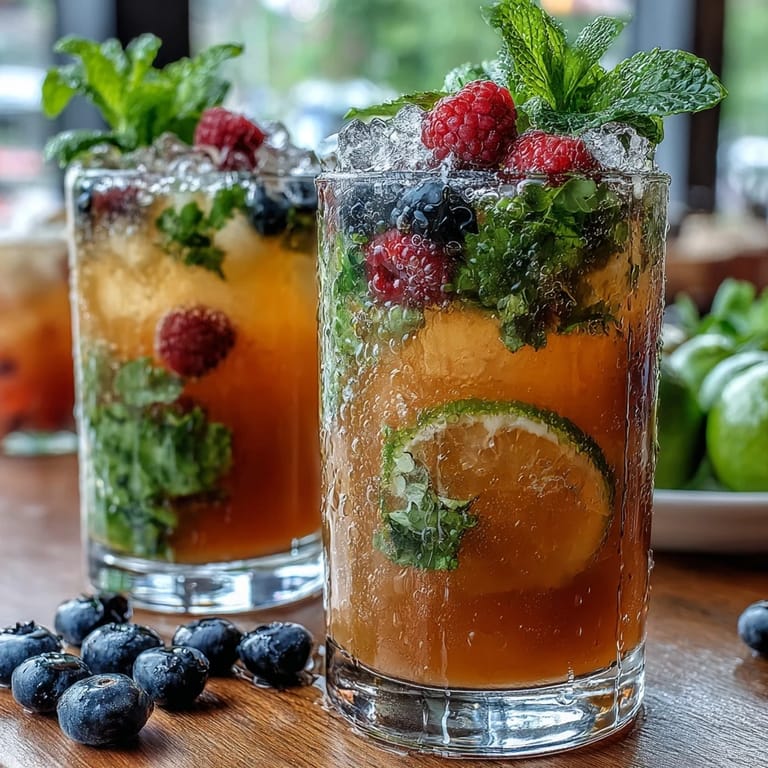
Save My sister called me three weeks before her graduation asking if I could help her throw a party, and honestly, I panicked—until she mentioned wanting a lemonade bar where guests could build their own drinks. Something about that clicked: it felt interactive, summery, and way less stressful than me trying to be a bartender all afternoon. I squeezed lemons until my hands hurt, set up little bowls of fruit and herbs, and watched people light up as they discovered their perfect flavor combination. That's when I realized this wasn't just about serving a drink—it was about giving people permission to be creative.
I'll never forget watching my cousin's five-year-old carefully arrange cucumber slices and mint in her glass like she was creating edible art, while her grandfather was on his third glass experimenting with different syrup drizzles. That moment made me understand that a good recipe isn't really about the food—it's about creating space for people to slow down and enjoy each other. The lemonade was just the excuse.
Ingredients
- Freshly squeezed lemon juice (2 cups): This is non-negotiable—bottled juice tastes flat and slightly bitter by comparison, and your guests will taste the difference immediately.
- Granulated sugar (1 1/2 cups): Start here, but keep tasting as you mix because humidity and lemon acidity vary; you might need less or slightly more depending on the day.
- Cold water (8 cups): The water temperature matters more than you'd think—cold water helps the sugar dissolve faster and keeps everything refreshing from the moment someone pours.
- Fresh berries (strawberries, blueberries, raspberries): Buy them the day before if possible, rinse them gently, and keep them in the coldest part of your fridge so they stay perky and don't get weepy.
- Fresh herbs (mint, basil, rosemary): Grab these from the farmer's market or grocery store the morning of—they bruise easily, so handle them like they're delicate and keep them in a damp paper towel until service.
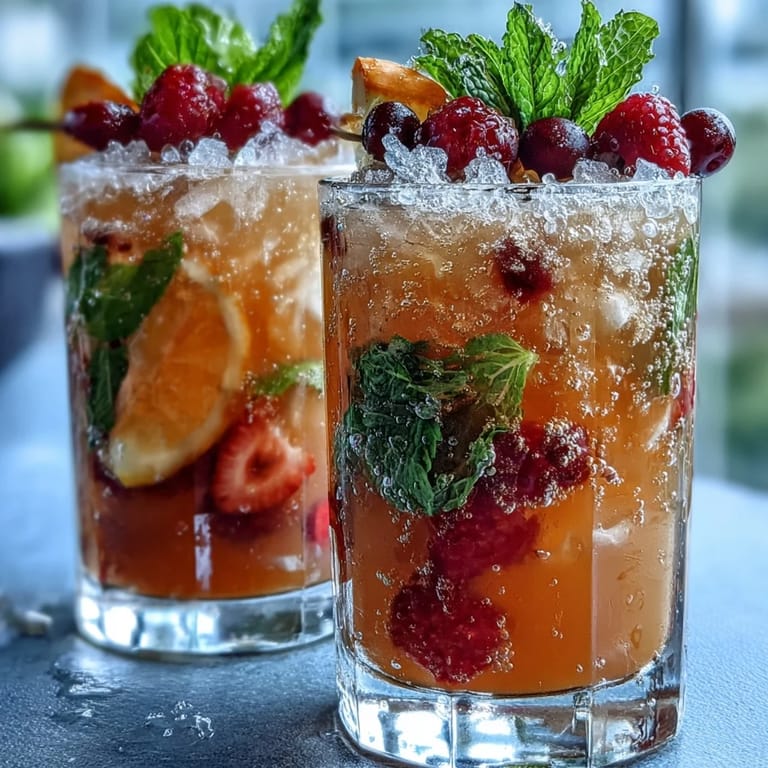
- Citrus slices (oranges and lemons): Cut them thin and uniform so they look intentional on the table; thick slices feel clunky, and paper-thin ones are pretty but fall apart.
- Flavored syrups (optional): If you make your own, taste them before the party because homemade syrups can be surprisingly intense—a little goes a long way.
- Sparkling water (2 liters): Keep it chilled in a cooler or the fridge; warm sparkling water is one of life's small disappointments.
Tired of Takeout? 🥡
Get 10 meals you can make faster than delivery arrives. Seriously.
One email. No spam. Unsubscribe anytime.
Instructions
- Juice your lemons and make the base:
- Cut each lemon in half, use a citrus juicer (not your hands—trust me on this), and collect the juice in a pitcher. You're looking for about 2 cups; if you get a few seeds, just strain them out before mixing. Whisk the lemon juice with sugar in a large pitcher, stirring until the sugar fully dissolves and looks clear rather than grainy.
- Add water and taste:
- Pour in 8 cups of cold water slowly, stirring as you go, then taste a small sip and adjust—if it's too sour, add a splash more water or a touch of sugar. The goal is refreshing and balanced, not puckering, and chilling will mellow the flavor slightly, so be generous but not reckless.
- Prep your add-ins strategically:
- Slice oranges and lemons paper-thin, hull and slice strawberries while they're still slightly firm, and arrange everything in small bowls with spoons or tongs nearby. Keep herbs on ice or wrapped in damp paper towels until just before guests arrive, since exposed basil and mint will bruise and turn dark.
- Build your beverage station:
- Fill a large pitcher or dispenser with your lemonade and nestle it into ice if you have room, keeping the add-in bowls close by with glasses stacked nearby. Put ice in a separate bucket so guests can control how much they use, and set out straws and small napkins—people always want napkins.
- Walk guests through the process:
- When the party starts, casually mention that they should add ice first, pour the lemonade halfway up the glass, then get creative with fruits and herbs. Some people will be confident; others will hover nervously waiting for permission to be playful—a quick encouragement makes all the difference.
- Stay nearby and refill constantly:
- Watch the lemonade pitcher and fruit bowls, replacing wilted herbs and melting fruit every 30 minutes or so. Fresh ingredients keep people coming back, and you'll catch conversations and reactions that make the whole thing worthwhile.
 Save
Save Halfway through my sister's party, I watched a grandmother and her teenage granddaughter standing at the bar together, the grandmother pointing out combinations and the granddaughter laughing as she mixed something with way too much rosemary on purpose. Nobody was on their phone, nobody was checking the time—they were just present with each other over lemonade. That's when I understood that a good recipe isn't really about perfect proportions; it's about creating a moment where people show up as themselves.
Scaling This Bar for Your Crowd
For a small gathering of 8 to 10 people, halve the recipe and use one pitcher; for a large crowd of 25 or more, double everything and set up two separate stations so there's no bottleneck. I learned this the hard way when twenty people converged on my lemonade stand at once, and suddenly the whole thing felt chaotic instead of fun. The math is simple, but the pacing matters—people want to feel like they have choices without feeling rushed.
Making It Your Own
This is where you get to be bold: infuse the base lemonade with fresh mint or basil by letting the herbs steep in cold water for an hour before you add the lemon juice and sugar. I've also seen people add a touch of honey at the end for depth, or a splash of coconut water for something unexpected. The beauty of this recipe is that it's a framework, not a mandate—you're giving yourself permission to play.
Setting the Mood and Logistics
A lemonade bar works best when it feels accessible, which means good lighting, clear labeling of ingredients if anyone has allergies, and enough ice to keep everything cold throughout the party. I've found that people are braver about trying combinations when there's soft music playing and they don't feel rushed. Small touches like cloth napkins and fresh flowers near the station make it feel intentional rather than thrown together.
- Chill all your glassware in the freezer for 30 minutes before the party so the first sip stays cold longer.
- Label any syrups or add-ins that contain allergens so you're not playing guessing games during the party.
- Keep extra lemons on hand in case someone wants their drink extra sour—it happens more often than you'd think.
 Save
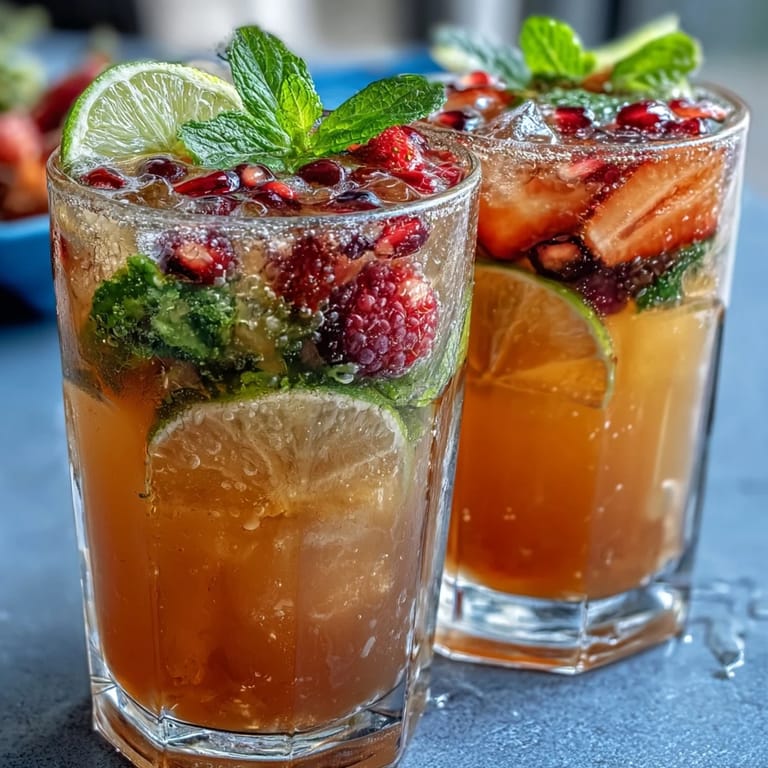
Save A lemonade bar is one of those rare recipes that does double duty: it quenches thirst while creating conversation, and it lets you relax instead of stress about plating or timing. Set it up, step back, and watch your guests become the stars of the show.
Recipe FAQ
- → What ingredients are used for the lemonade base?
Freshly squeezed lemon juice, granulated sugar, cold water, and ice form the classic lemonade base.
- → What flavor add-ins are available for customization?
Various fresh fruits like strawberries, blueberries, raspberries, oranges, lemons, pineapple, watermelon, along with herbs such as mint, basil, and rosemary.
- → Can sparkling water be added to this lemonade setup?
Yes, sparkling water or club soda can be offered as an option for a fizzy variation.
- → How should guests assemble their drinks?
Guests fill glasses with ice, add lemonade, then customize their drinks by adding preferred fruits, herbs, and syrups from the bar.
- → Are there any suggestions for reducing sugar content?
Sugar can be reduced or substituted with natural sweeteners like honey or agave for a lighter option.
- → What tools are recommended for setting up the lemonade bar?
Large pitcher or dispenser, small bowls or jars for add-ins, tongs, spoons, ice bucket, cutting board, citrus juicer, and knives are suggested.