 Save
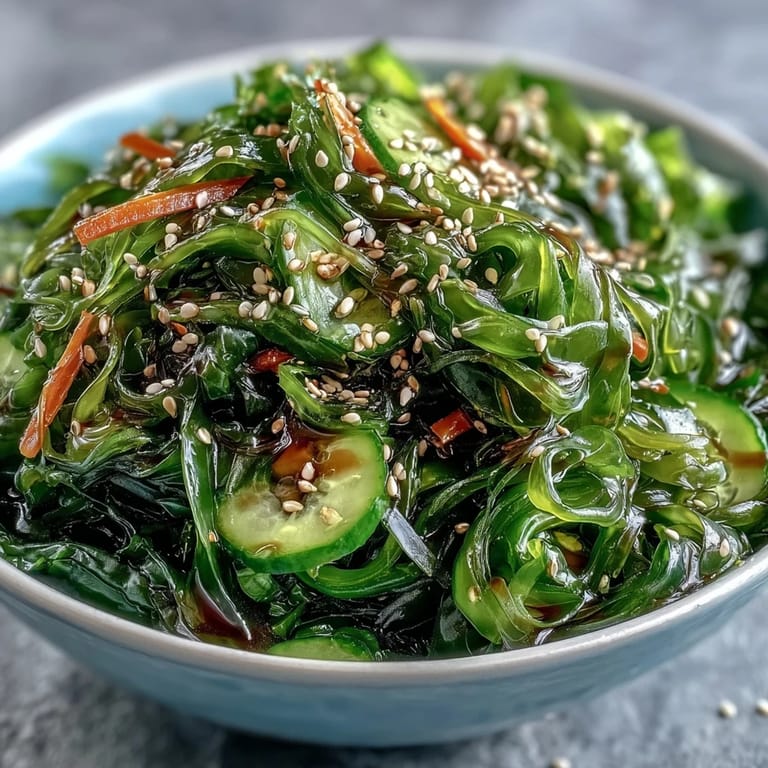
Save My first encounter with seaweed salad happened at a tiny sushi counter in Tokyo, where the chef slid a small ceramic bowl across the bar without ceremony. The glossy dark ribbons glistened under the counter lights, and one bite revealed something I hadn't expected: brightness, a gentle heat from ginger, the warm nuttiness of sesame oil cutting through brine and vinegar. It wasn't fancy or complicated, yet somehow it tasted like someone had bottled the ocean and made it sing. Years later, I realized I'd been chasing that moment in my own kitchen.
I made this for my sister during one of those surprising April snowstorms, when we were both stuck indoors and craving something bright and clean-tasting. She watched me soak the seaweed, skeptical as always about anything that came from the sea, but the second she tasted it with cold sake in hand, something shifted. She asked for the recipe that night, and now it appears in her rotation without fail. That small kitchen moment, just the two of us discovering something together, is what made this recipe stick around.
Ingredients
- Dried wakame seaweed: The foundation here, transforming from brittle ribbons to tender strands in cold water, carrying umami depth that anchors the entire dish.
- Cucumber and carrot: These offer crispness and sweetness that balance the seaweed's mineral notes, and the thin cuts ensure they don't overwhelm.
- Scallions: A sharp green edge that keeps everything from feeling too heavy or oceanic.
- Toasted sesame oil: Non-negotiable for authenticity; the toasted version brings a roasted depth that regular sesame oil simply can't match.
- Rice vinegar: Gentler and slightly sweeter than distilled vinegar, it never bullies the delicate flavors.
- Soy sauce or tamari: Choose tamari if you need gluten-free, and always go low-sodium so you control the salt.
- Fresh ginger: Grate it just before mixing; the microplane releases oils that make the difference between good and memorable.
- Maple syrup or honey: A touch of sweetness rounds out the acidity and brings harmony to the dressing.
- Toasted sesame seeds: Buy them pre-toasted or toast your own; the warmth they've already seen deepens the flavor considerably.
- Chili flakes: Optional but worthwhile, adding a gentle tingle that makes you want another bite.
Tired of Takeout? 🥡
Get 10 meals you can make faster than delivery arrives. Seriously.
One email. No spam. Unsubscribe anytime.
Instructions
- Rehydrate the seaweed gently:
- Pour cold water over the dried wakame and let it sit for 7 to 10 minutes, watching as it slowly unfurls and softens. Drain it well, then squeeze out excess moisture with your hands so the dressing clings instead of sliding off.
- Prep your vegetables with intention:
- Slice the cucumber thin enough to taste crisp but thick enough to hold its shape, julienne the carrot so it matches the seaweed's delicate texture, and slice the scallions on a slight bias. The knife work here isn't about precision as much as presence; pay attention to what you're doing.
- Build the dressing in a separate bowl:
- Whisk together the sesame oil, rice vinegar, soy sauce, ginger, and sweetener until the flavors smell balanced and right to you. Taste as you go, adjusting the acid and sweetness until your instincts say yes.
- Combine everything with a gentle hand:
- In your main bowl, toss the seaweed, vegetables, and scallions together, then pour the dressing over and fold everything gently so nothing tears or bruises. The goal is coating, not drowning.
- Finish and let it rest:
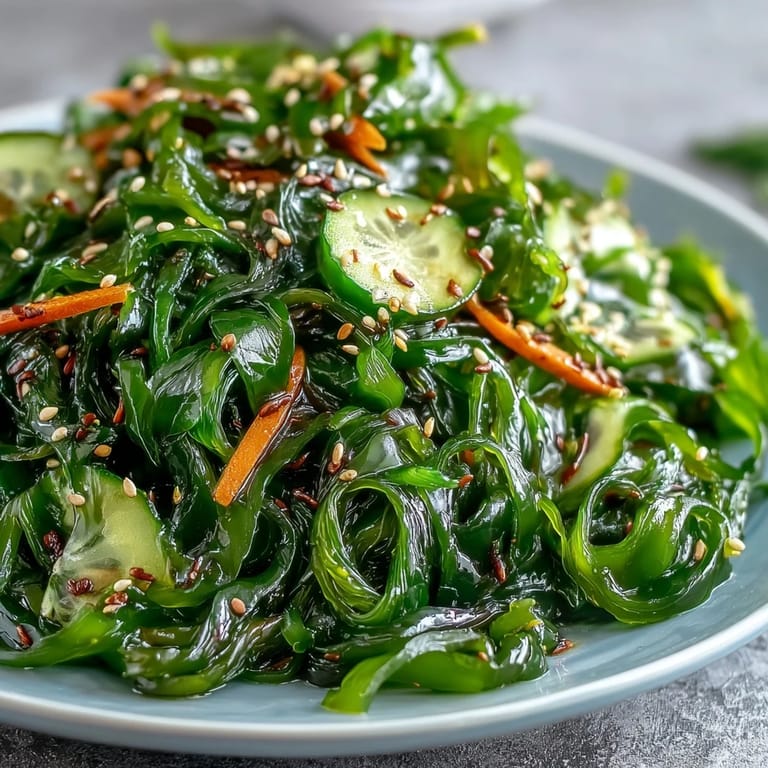
- Transfer to your serving bowl, scatter the extra sesame seeds and fresh herbs across the top, then let it chill for 15 to 30 minutes if you have time. This resting period is when the flavors really meld and deepen, making it even better than when you first mixed it.
 Save
Save There's something grounding about making this salad on a weeknight, when the kitchen is quiet and you're just cooking for yourself or someone close to you. The familiar motions—soaking, slicing, whisking, tossing—become almost meditative, and suddenly you're holding a small bowl of something that tastes like care and attention. It's the kind of dish that reminds you that meals don't have to be complicated to feel nourishing.
Why Cold Water Matters
Using cold water instead of hot or room temperature water preserves the seaweed's delicate structure and keeps it from becoming mushy or falling apart. I learned this the hard way when I once used warm water thinking it would speed things up, and ended up with a soggy, broken mess. Cold water takes a few extra minutes but rewards you with tender strands that hold their shape and texture, making each bite count. The seaweed needs respect, just like any ingredient worth its place in your bowl.
The Flavor Balance Dance
This dressing walks a tight rope between four tastes: tangy from vinegar, nutty from sesame oil, warm from ginger, and sweet to round it all out. I've watched people taste this and close their eyes, trying to figure out what makes it feel so complete, and it's always because none of those tastes overpowers the others. If you find yourself drawn to more sweetness, add maple syrup slowly; if you want more edge, let the vinegar and ginger lead. The beauty is that this recipe trusts you to adjust it until it sings in your own way.
Serving and Storage Wisdom
Serve this cold or at room temperature, depending on the season and your mood, but always with something crisp to drink alongside it—sake, green tea, or even sparkling water. It keeps in an airtight container in the refrigerator for up to two days, though the vegetables soften slightly by day two, which is perfectly fine if you enjoy a more tender bite. The flavors actually deepen as it sits, making leftovers sometimes better than the first serving.
- Pair it with chilled sake or jasmine green tea for a complete moment of calm.
- Add thinly sliced radish or shredded red cabbage if you want extra crunch and a peppery note.
- Check all packaged seaweed for cross-contamination warnings if serving to someone with allergies, as some facilities process other ingredients.
 Save
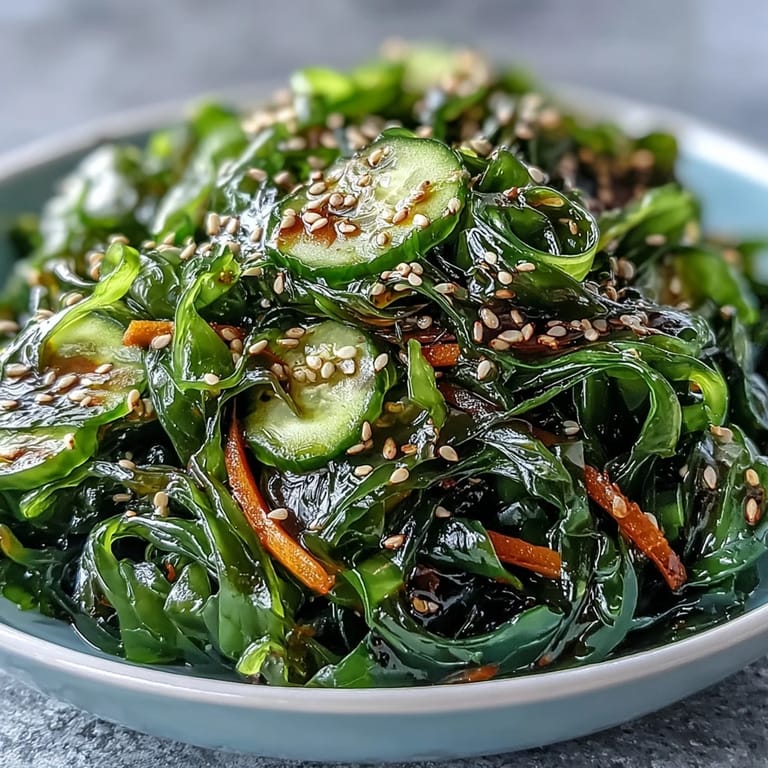
Save This seaweed salad has become my quiet ritual when I need something that feels healthy and alive without demanding effort or fuss. It's the kind of dish that travels well too, fitting into a glass container for lunch the next day, ready to remind you that good food doesn't have to be complicated.
Recipe FAQ
- → What type of seaweed works best?
Dried wakame seaweed is ideal for this dish. It rehydrates quickly, has a tender texture, and absorbs the sesame-ginger dressing beautifully. Soak for 7-10 minutes until fully tender.
- → Can I make this ahead of time?
Yes, this salad actually benefits from chilling 15-30 minutes before serving, allowing the flavors to meld. Store in an airtight container for up to 2 days in the refrigerator.
- → Is this dish gluten-free?
It can be gluten-free when you use tamari instead of regular soy sauce. Always verify your seaweed package is certified gluten-free to avoid cross-contamination.
- → What can I add for extra crunch?
Thinly sliced radish, shredded red cabbage, or even edamame beans add wonderful texture and color. Toasted nuts like cashews also work well.
- → How do I adjust the flavors?
Add more maple syrup for sweetness, extra rice vinegar for acidity, or increase chili flakes for heat. Taste and adjust the dressing before tossing with the seaweed.